

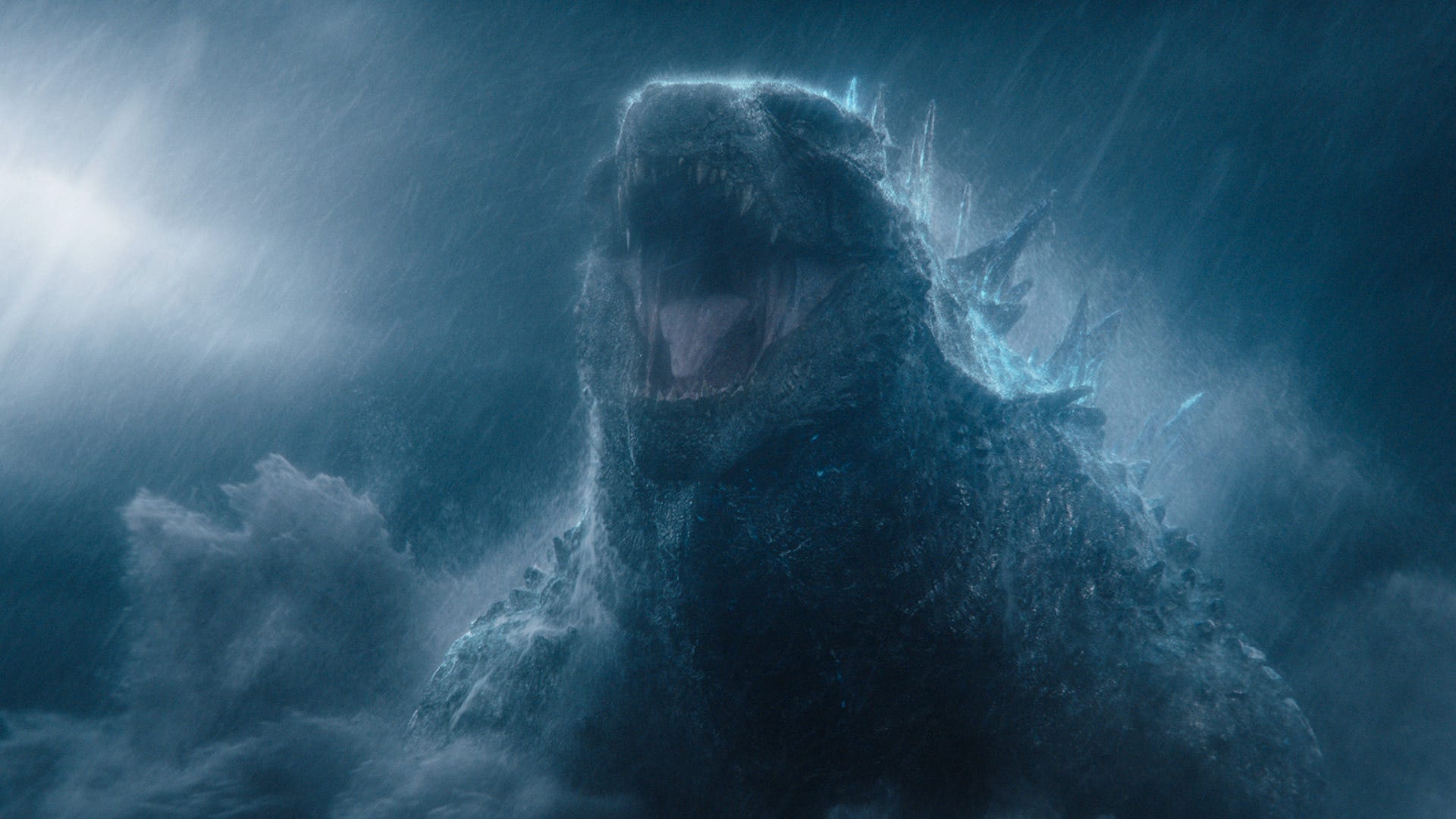
“Here there be monsters!” The old adage appeared on ancient maps in times when the world felt larger, and what lay beyond the horizon was more mystery than certainty. It warned against wandering too far into the unknown. In the centuries since, as the map filled in and the world seemed to shrink, the phrase fell out of use. After all, there are no dragons beyond the horizon unless we happen to live in a world of monsters.
The MonsterVerse is an American multimedia franchise that began with Godzilla (2014), directed by Rogue One filmmaker Gareth Edwards, a man with a particular gift for making things look incomprehensibly large. While the film was not to everyone’s taste, it largely re-legitimized Godzilla for an international audience after Roland Emmerich’s dreadful 1998 attempt at resurrecting the atomic lizard.
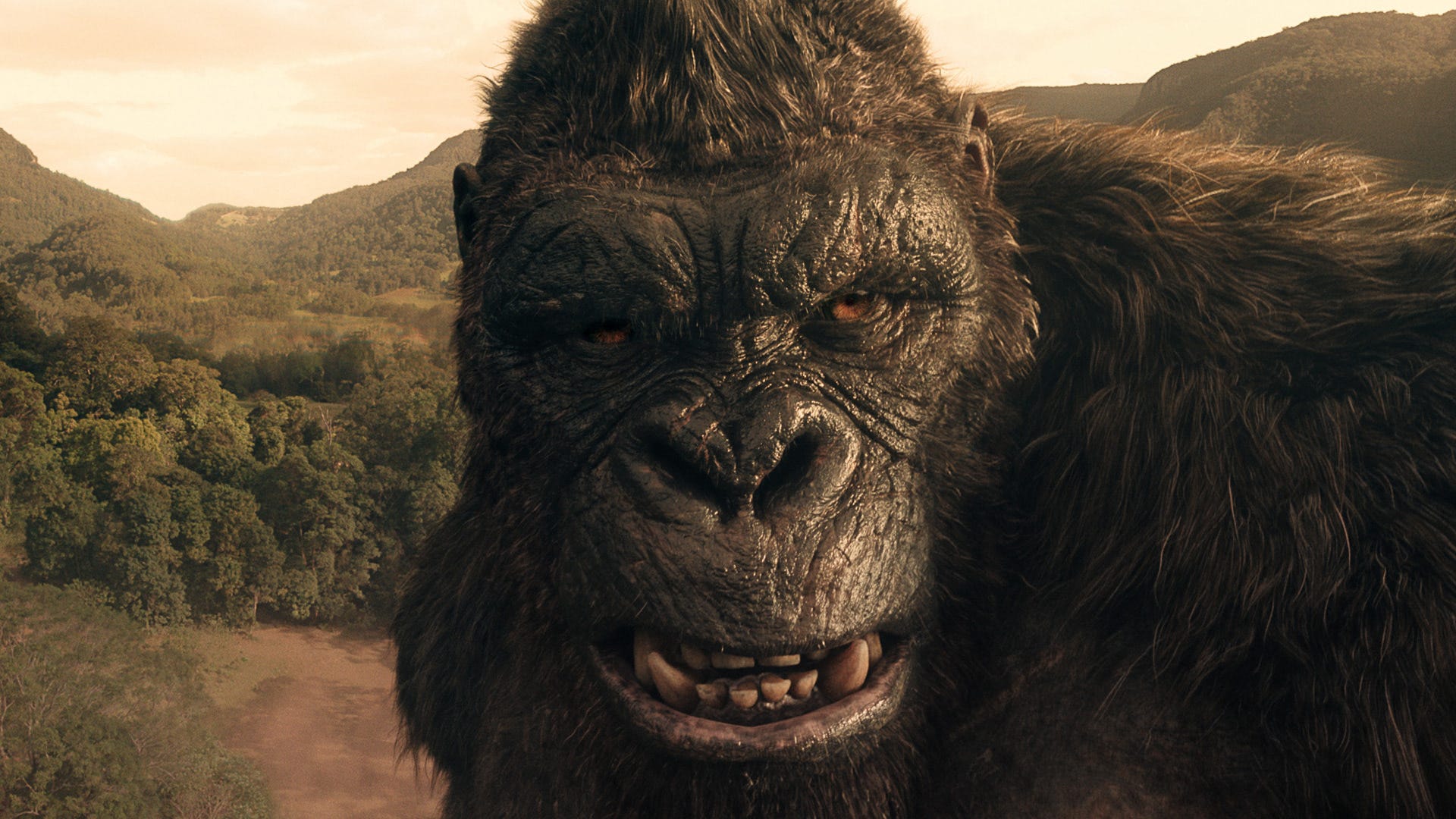
Edwards’ film became the foundation of what we now know as the MonsterVerse, made possible through a carefully negotiated licensing arrangement with Japan’s Toho, the original home of Godzilla. Across subsequent installments like Kong: Skull Island, Godzilla: King of the Monsters, and Godzilla vs. Kong, audiences were reintroduced, especially those of us who grew up on Toho imports, not only to Godzilla, but to Kong, Mothra, King Ghidorah, Rodan, and even the gloriously excessive Mechagodzilla.
The MonsterVerse films tend to fall into two broad categories. Some are primarily concerned with pitting monsters against each other, preferably near recognizable skylines for maximum collateral damage, or as I like to call them, the “Let them fight!” films. Others are more character-driven, like Godzilla (2014) and Kong: Skull Island, exploring this world from a human perspective. As the films have leaned further into spectacle, occasionally tipping into full gonzo absurdity, Apple’s spinoff series Monarch: Legacy of Monsters moves in the opposite direction.
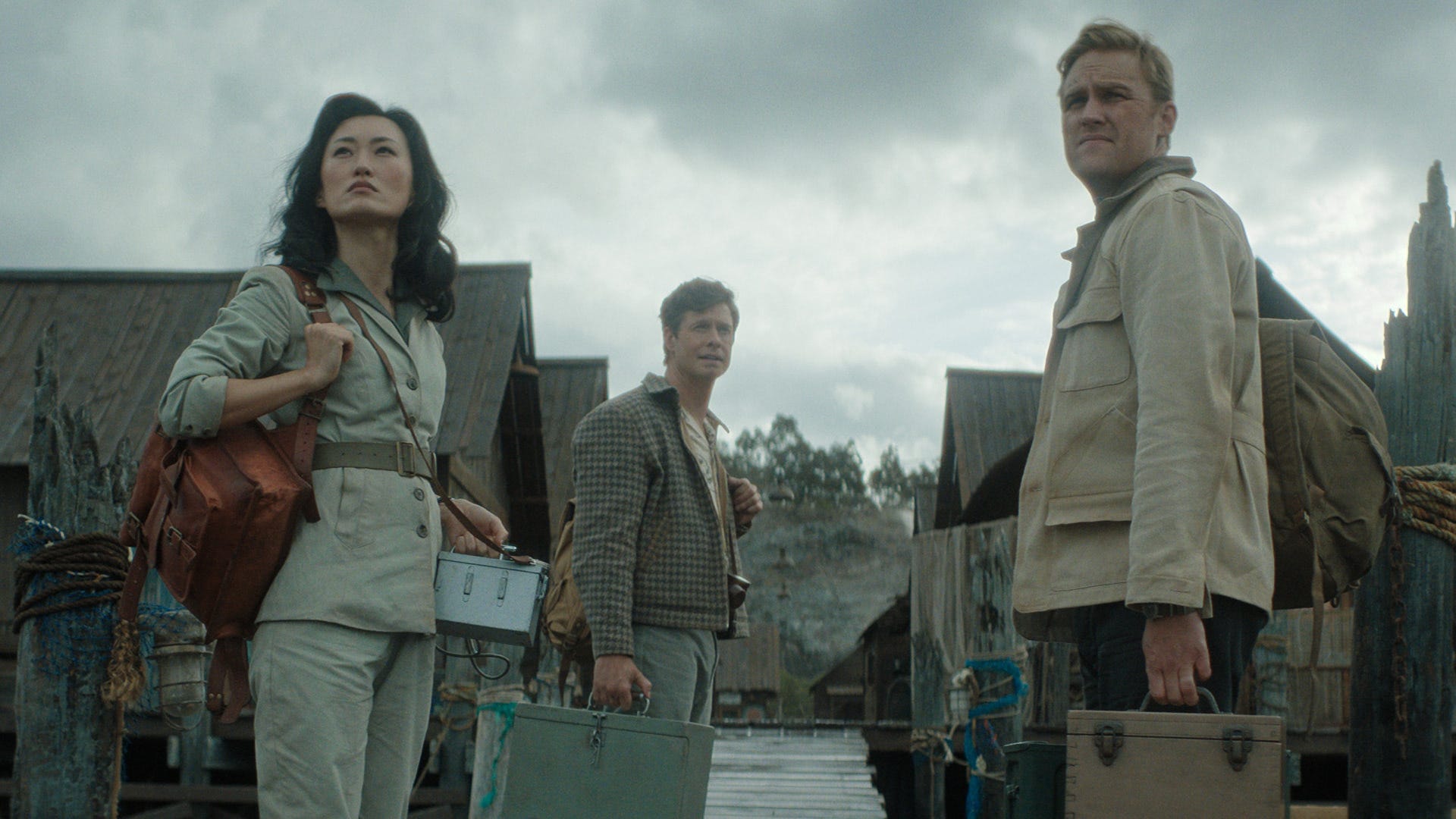
Monarch: Legacy of Monsters follows the origins and evolution of the MonsterVerse’s quasi-protagonist organization, Monarch. The story unfolds across two parallel eras. In the 1950s and 60s, we follow military officer–turned–explorer Lee Shaw (Wyatt Russell), scientist Bill Randa (Anders Holm), and physicist Dr. Keiko Miura (Mari Yamamoto) as they embark on expeditions that lay the foundation of Monarch. Far more than simple flashbacks, these sequences move steadily toward the 1973 events of Kong: Skull Island and the ultimate fate of Bill Randa.
Season 1 also further explores one of the franchise’s most important ideas: Axis Mundi, a hidden realm tied to the Titans’ origins, where time moves differently than in our world. When Keiko is lost there in the 1960s and later rescued decades later without having aged, the show makes it clear that Monarch is not merely tracking large animals, but investigating something far stranger.
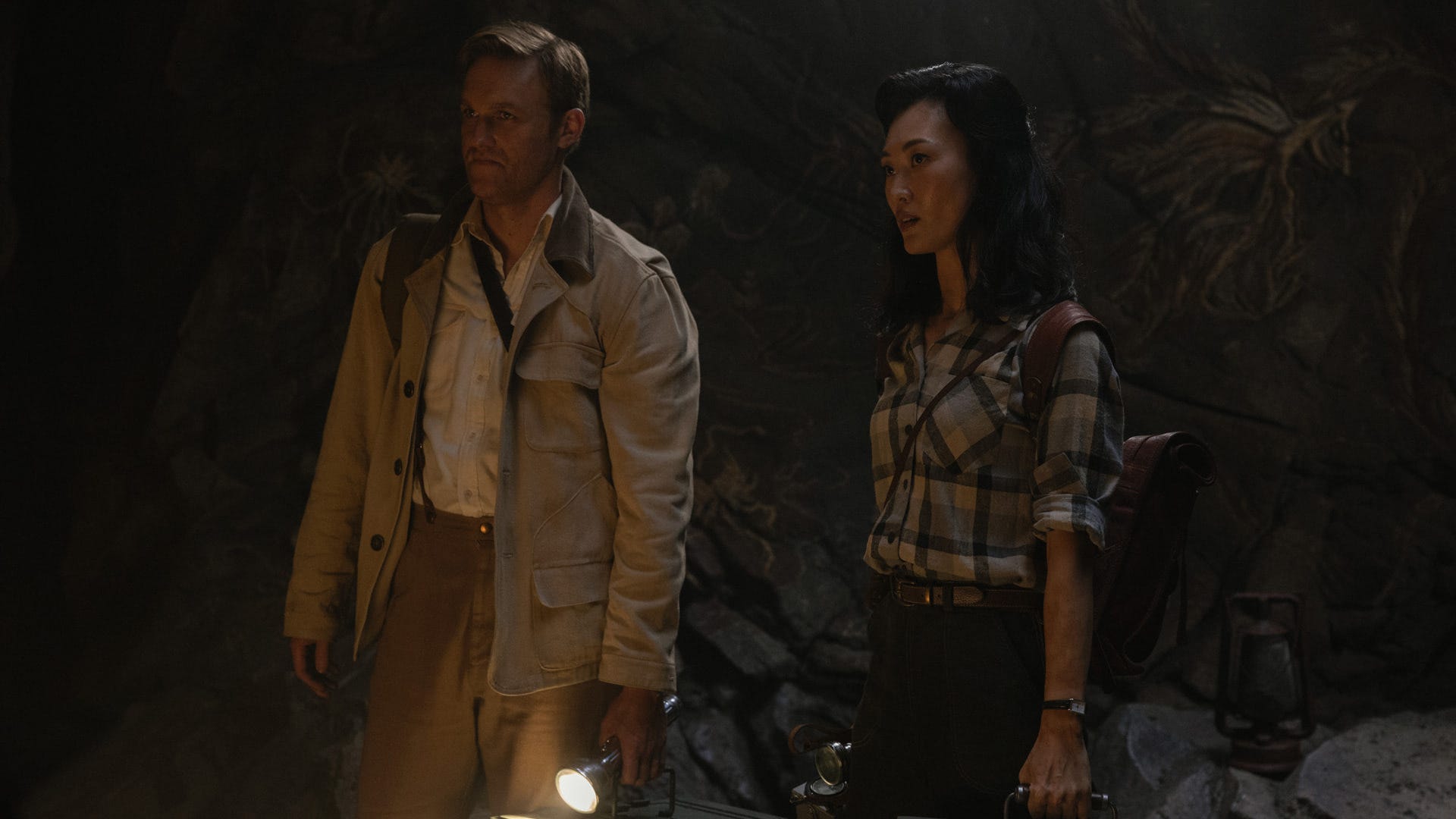
The present-day storyline is set in the aftermath of 2014’s G-Day, when Godzilla battled the MUTOs in San Francisco, devastating the city and revealing the Titans to the world. At the center stand Bill Randa’s granddaughter Cate (Anna Sawai) and her half-brother Kentaro (Ren Watabe), and their father Hiroshi Randa (Takehiro Hira), alongside Dr. Keiko Miura and an older Lee Shaw. In a stroke of inspired casting, Shaw is played in the present by Wyatt Russell’s real-life father, Kurt Russell, turning resemblance into something more than coincidence.
The contemporary arc follows both global and familial fallout as the characters confront emerging Titan threats, sometimes working with Monarch and sometimes resisting it, while uncovering long-buried secrets about the organization’s past.
Picking up moments after the events of the first story, the second season of Monarch: Legacy of Monsters builds directly on these revelations from the first. With Axis Mundi no longer theoretical and Monarch’s internal fractures exposed, a new player enters the arena: the tech corporation APEX, eager to weaponize what Monarch studies. At the same time, a new aquatic Titan known provisionally as Titan X rises from the depths, pulling the mysteries of Axis Mundi further into the open and pushing the world toward another reckoning.
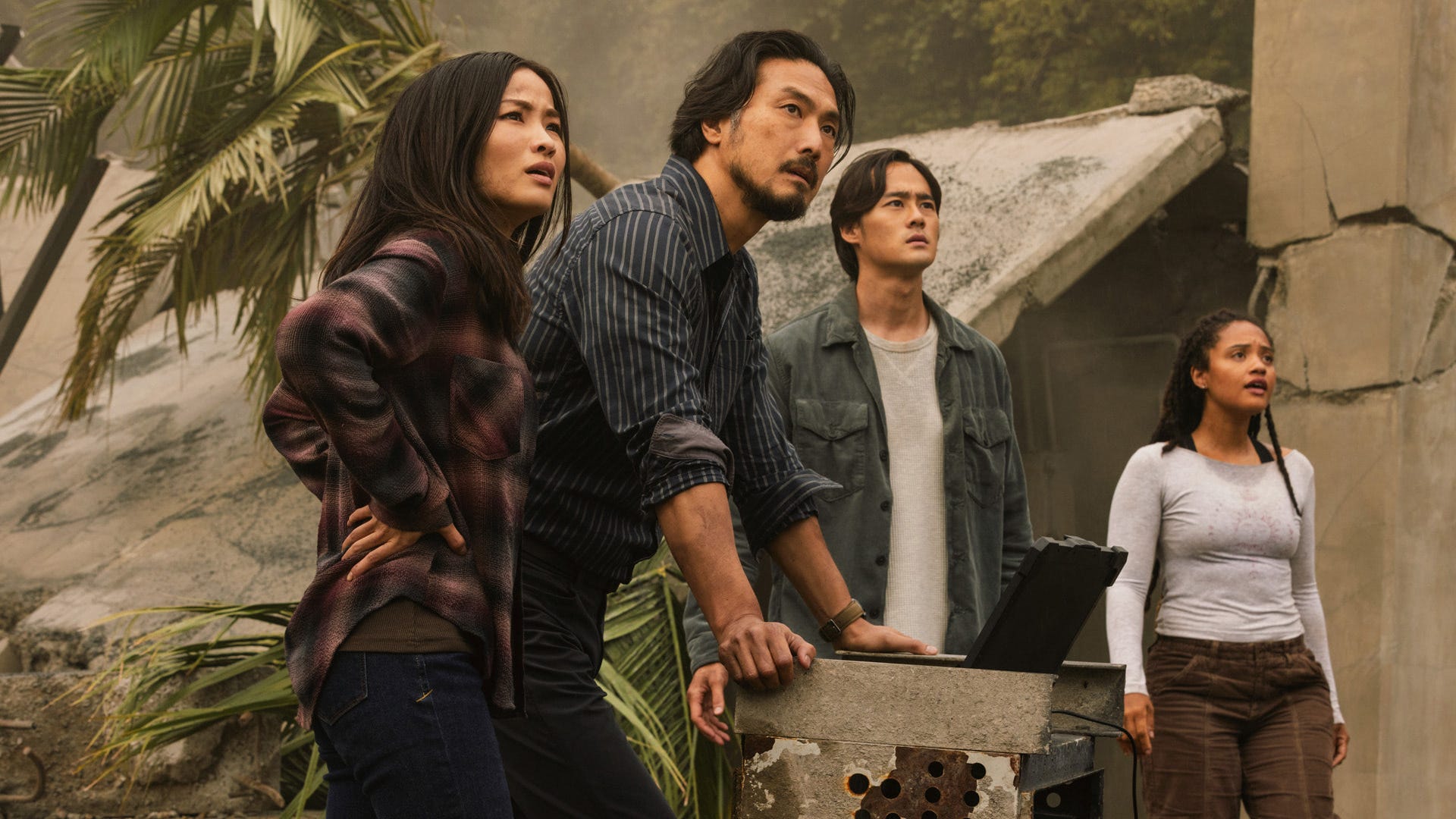
Yet for all its institutional intrigue, Monarch: Legacy of Monsters remains unmistakably human in its focus. Titan X is not simply a kraken-sized spectacle dredged up from maritime folklore, but an enigmatic presence whose arrival has personal consequences. Without venturing into spoiler territory, the creature’s connection to one of the central characters adds an unexpected emotional dimension. Instead of leaning on familiar science fiction shorthand, the series treats this bond with restraint, grounding it in character rather than destiny.
While Titan X drives much of the season’s mystery, it is far from the only presence looming over the narrative. Both Godzilla and Kong appear across multiple episodes, not as fleeting cameos but as integral forces within the story. Other creatures emerge as well, formidable and often unsettling denizens of Axis Mundi, Skull Island, and the far reaches of the world the characters traverse over the ten-episode season.
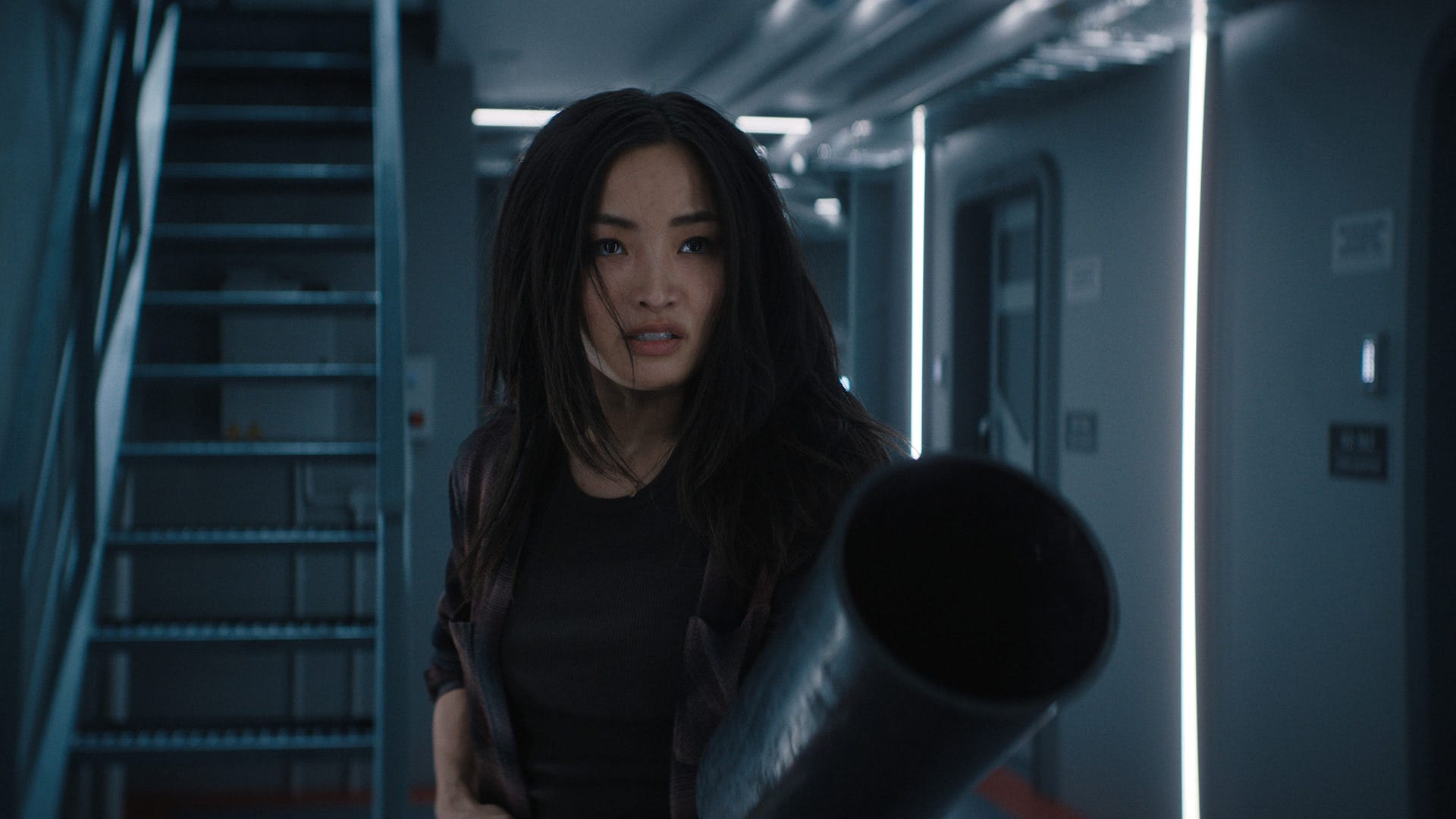
It is not uncommon for television series rooted in established franchises to use a first season to test the waters and find their footing. Monarch: Legacy of Monsters was already confident in its debut, but Season 2 feels more assured. The cast appear settled into their roles, no longer merely introducing characters to the audience but fully inhabiting them.
This is particularly evident in Anna Sawai’s Cate Randa. Following the acclaim of Shōgun, it is clear that Sawai can anchor not just a scene, but an entire narrative. In Season 2 she steps further into the foreground, allowing Cate’s grief, anger, and stubborn resolve to shape the direction of the story rather than merely react to it.
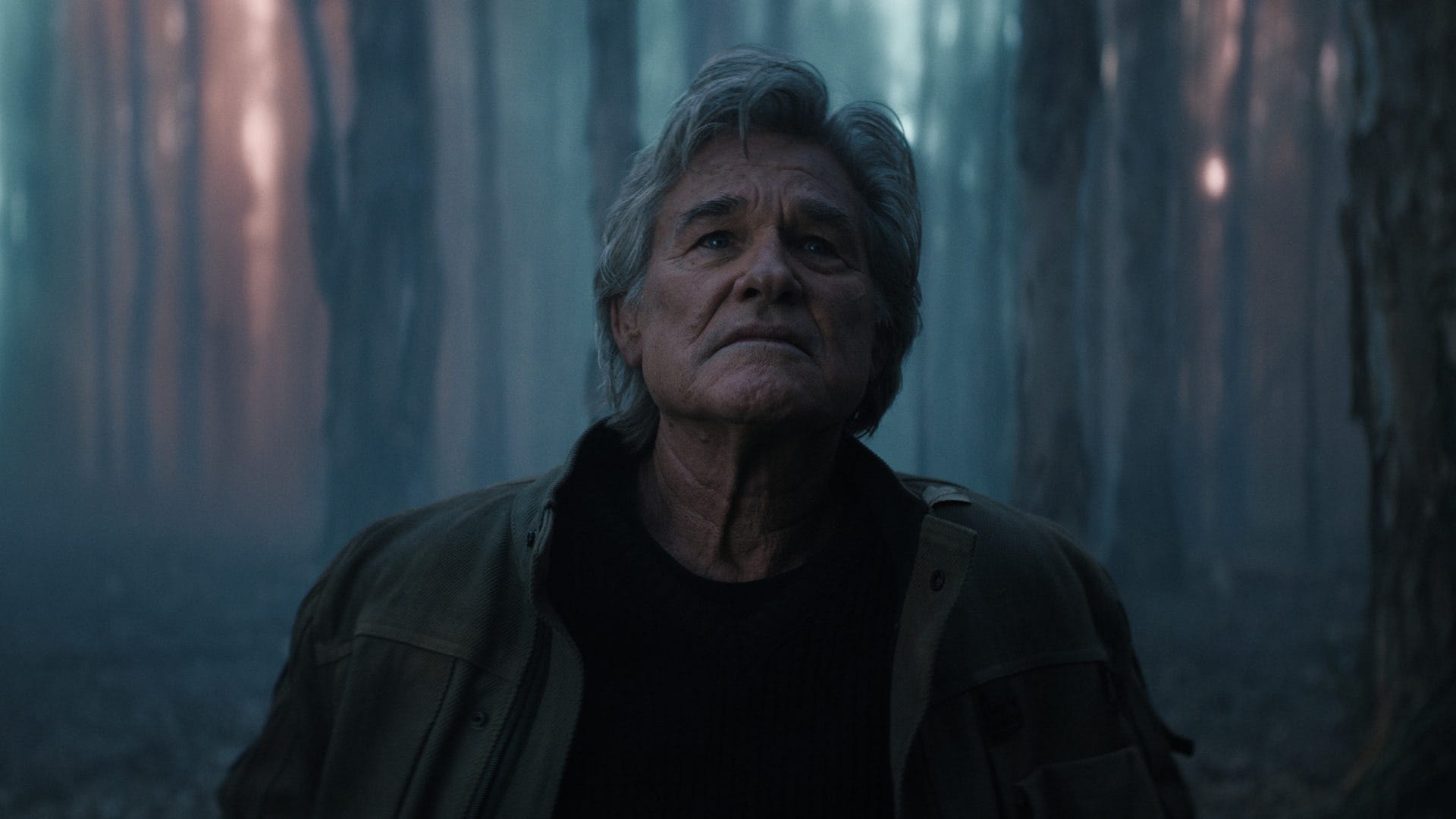
The Russell casting remains one of the series’ smartest decisions. Kurt Russell and Wyatt Russell bring distinct yet seamlessly connected interpretations of Lee Shaw. Though they do not share scenes, their performances feel in conversation across time. In this second season especially, the sense that father and son are shaping variations of the same man becomes even more pronounced.
When it comes to visual effects, sound design, and overall spectacle, Season 2 not only maintains the high standard associated with Apple TV’s science fiction productions, it expands its scale considerably. The ambition on screen reflects the work of a global network of visual effects and post-production houses, from New Zealand’s Wētā FX to Norway’s Storm Studios, recently Oscar-nominated for their work on Ryan Coogler’s Sinners. The result is not just bigger set pieces, but a richer sense of physical presence, particularly in the aquatic sequences, where weight, depth, and movement feel convincingly elemental.
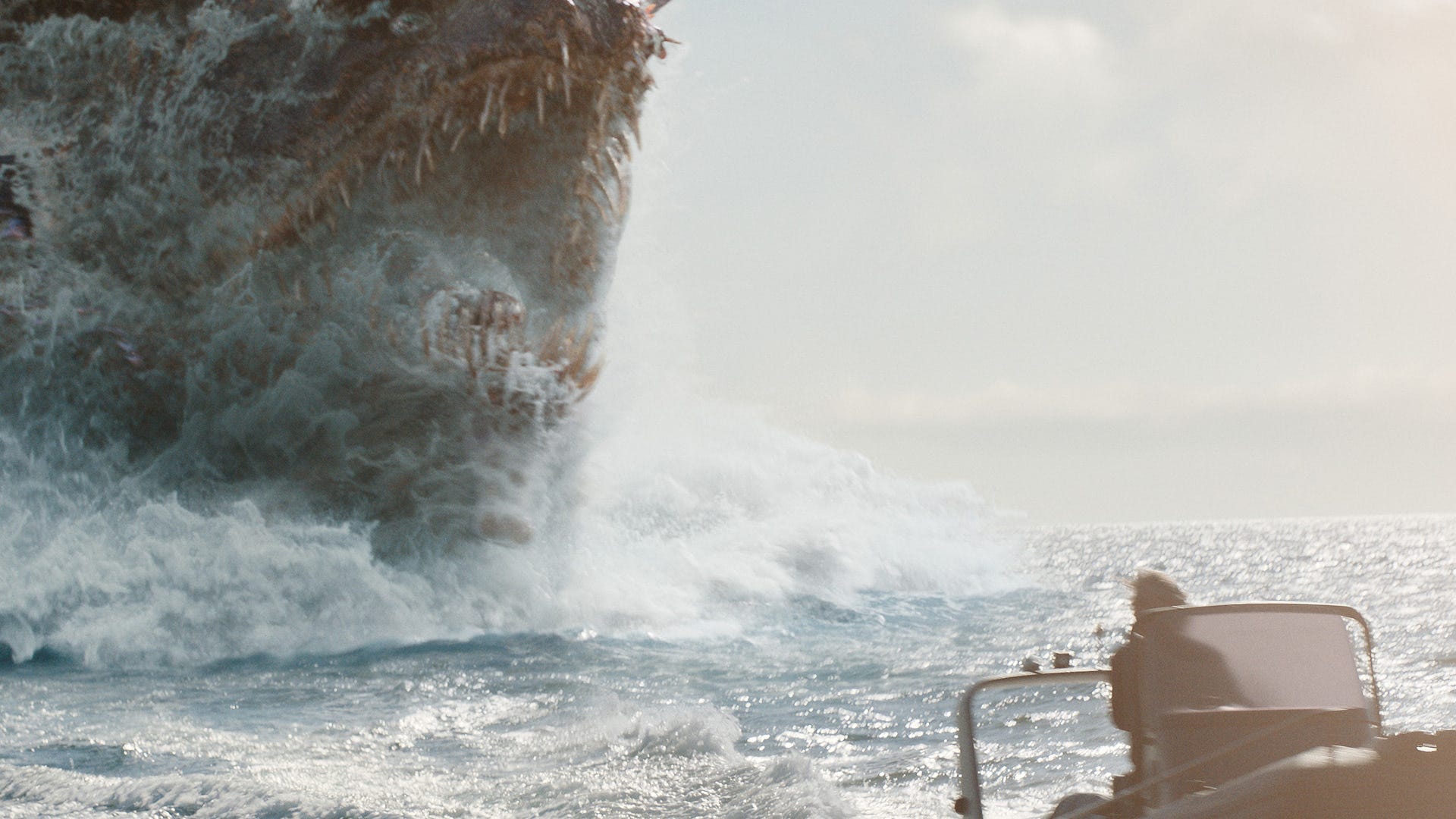
The second season of Monarch: Legacy of Monsters proves that the MonsterVerse can be far more than just Titans smashing each other’s faces among collapsing city centers. It is at its strongest when it lingers in the human spaces between the catastrophes, where institutions fracture and loyalties burn slowly rather than explode.
Perhaps those old cartographers were right after all. Maybe they simply had the honesty to admit what they did not know. In the MonsterVerse, the darker corners of the world remain stubbornly unlit, from the deepest trenches to the oldest caverns and the hottest fires. For here, beyond the edges of the map, monsters still await us, hungrily eying the world we take for granted.
Season 2 of Monarch: Legacy of Monsters premiers on Apple TV+ February 27th.