
Review: 'Disclosure Day'
Steven Spielberg goes back to the stars, and brings a stacked ensemble with him. But is his latest UFO thriller brave enough, or does it play it too safe?

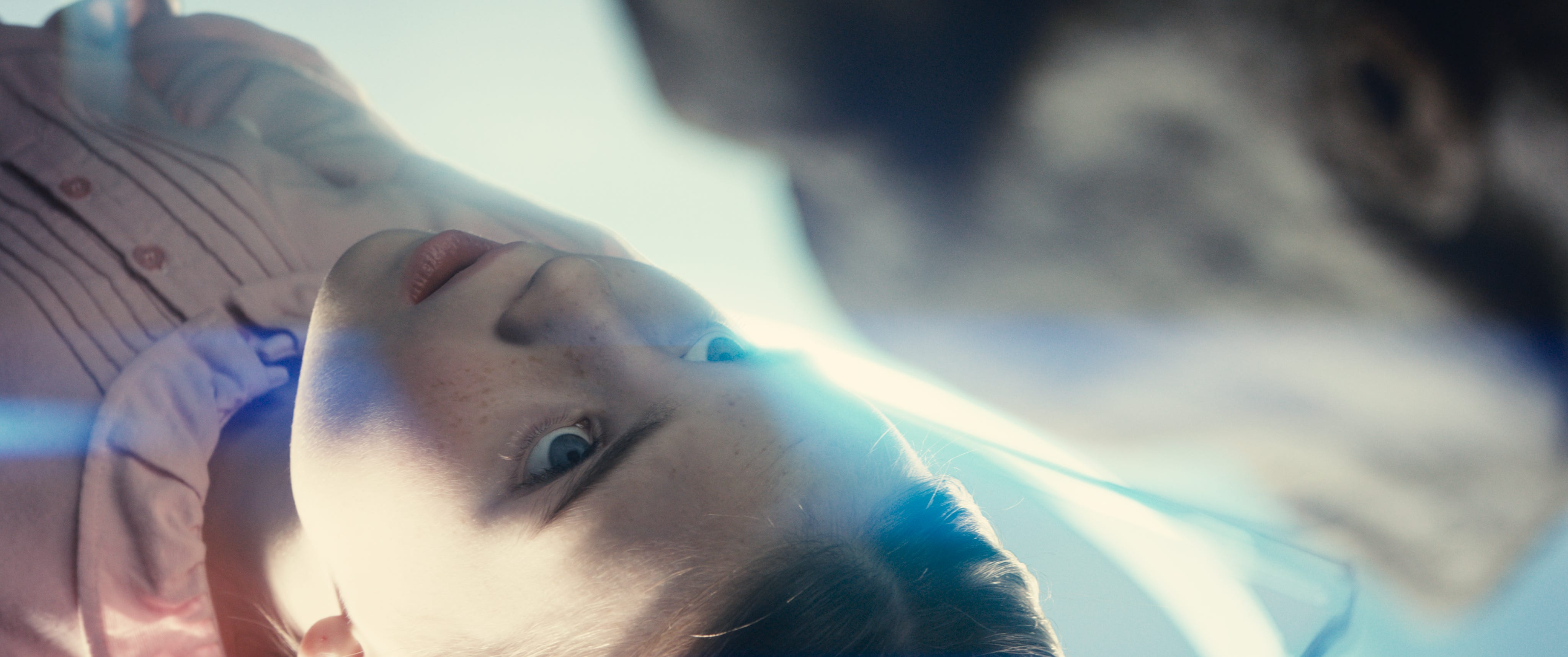
Picture this scene: It’s a late summer evening at a cabin in Son, just south of Oslo. Two brothers are sitting by the fireplace. The eldest, perhaps 12 or 13 years old, holds a large book in his hands — “Encounters with the Unexplained” — and reads aloud from it. The younger brother, maybe seven years old, hangs on every word with wide eyes. They’ve reached the chapter on UFOs.
Those two brothers were, of course, my older brother and me. While that evening would mark the beginning of a lifelong interest in science fiction and fantasy — which has, among other things, led to the website you’re reading now — my older brother went on to become an author (you can read about his novels here). There was plenty of fantasy and science fiction in his work too, at least in the beginning. These days, it’s mostly Vikings.
That evening, more than 40 years ago, sparked not only a fascination with the unexplained, but also a deep fear — particularly of UFOs. I watched every UFO film I could get my hands on, and more often than not I was so frightened I couldn’t sleep. It culminated, naturally, with the Chiodo Brothers’ Killer Klowns from Outer Space in 1988, but Steven Spielberg had already scared the life out of me with Close Encounters of the Third Kind well before that. I found the aliens emerging from the UFO at the end absolutely terrifying. Was that actually the intention?
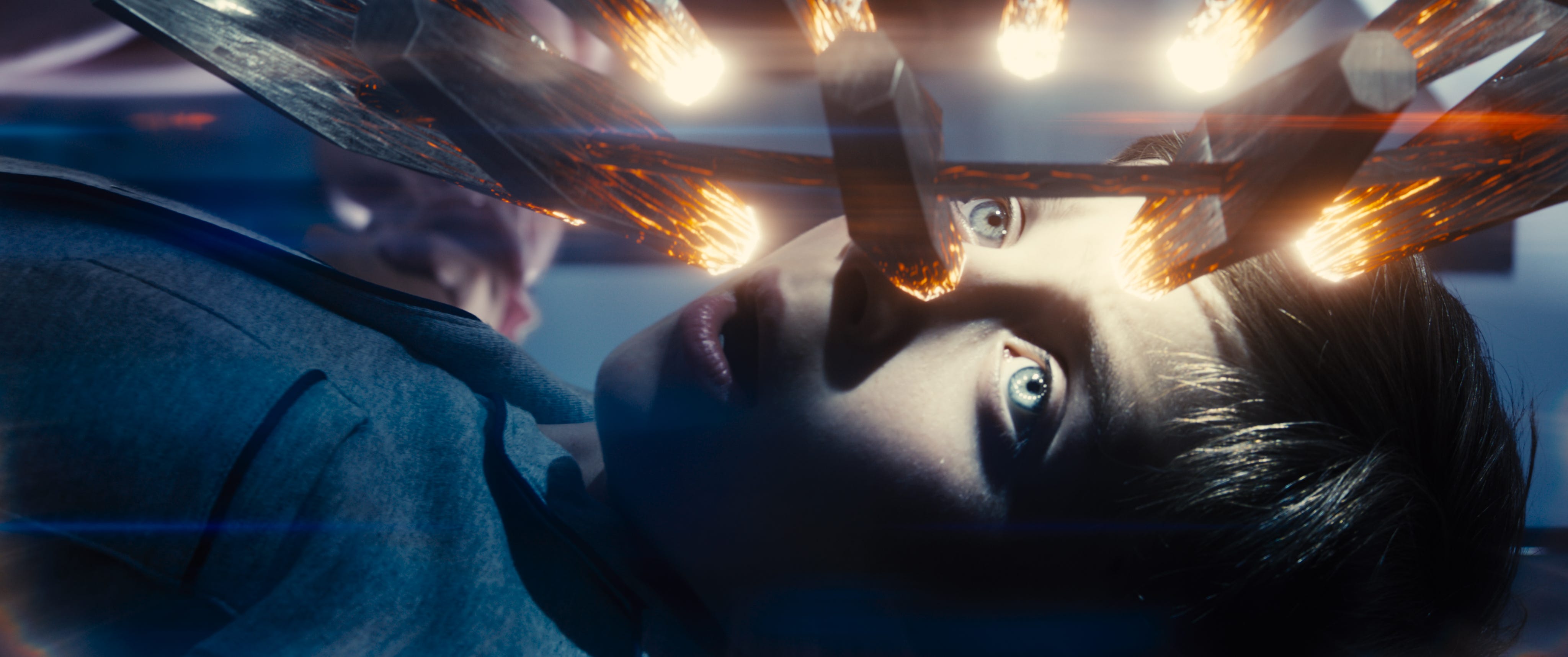
Steven Spielberg has, throughout much of his career, shown a fascination with the unknown — particularly UFOs and creatures from outer space. Close Encounters of the Third Kind, released in 1977, follows family man Roy Neary, played by Richard Dreyfuss, who becomes obsessed with a UFO mystery and is drawn toward a strange mountain for an encounter with beings from another world.
Five years later came E.T. the Extra-Terrestrial, the story of young Elliott, played by Henry Thomas, and his sister Gertie, played by Drew Barrymore, who befriend a stranded alien and try to help him get home.
In 2005 came Spielberg’s own adaptation of H.G. Wells’ classic novel War of the Worlds. Tom Cruise plays the weary and reluctantly heroic single father Ray Ferrier, who must protect his children as the world collapses around him during an invasion from outer space. Where Close Encounters and E.T. were primarily about wonder and curiosity, War of the Worlds was a far darker film. Like many strong adaptations of Wells’ novel, it also absorbed the fear and uncertainty of its own time — in this case, the shadow of the September 11 attacks.
These three films are often referred to as Steven Spielberg’s unofficial UFO trilogy. But did you know that Spielberg was also behind the miniseries Taken in 2002?
The series spans several generations, from World War II to the early 2000s, following several families whose lives become intertwined through the UFO phenomenon. Here, Spielberg and the show’s creators throw themselves headlong into the full mythology: crash landings in Roswell, secret military projects, mysterious technology, abductions and hybrid children. In short, everything that filled books like “Encounters with the Unexplained” when I was young.
Which brings us to Disclosure Day — a film that in many ways has more in common with Taken than with Spielberg’s far better known UFO films. The project was announced several years ago and spent a long time quietly drifting under the working title “Steven Spielberg’s upcoming UFO film.”
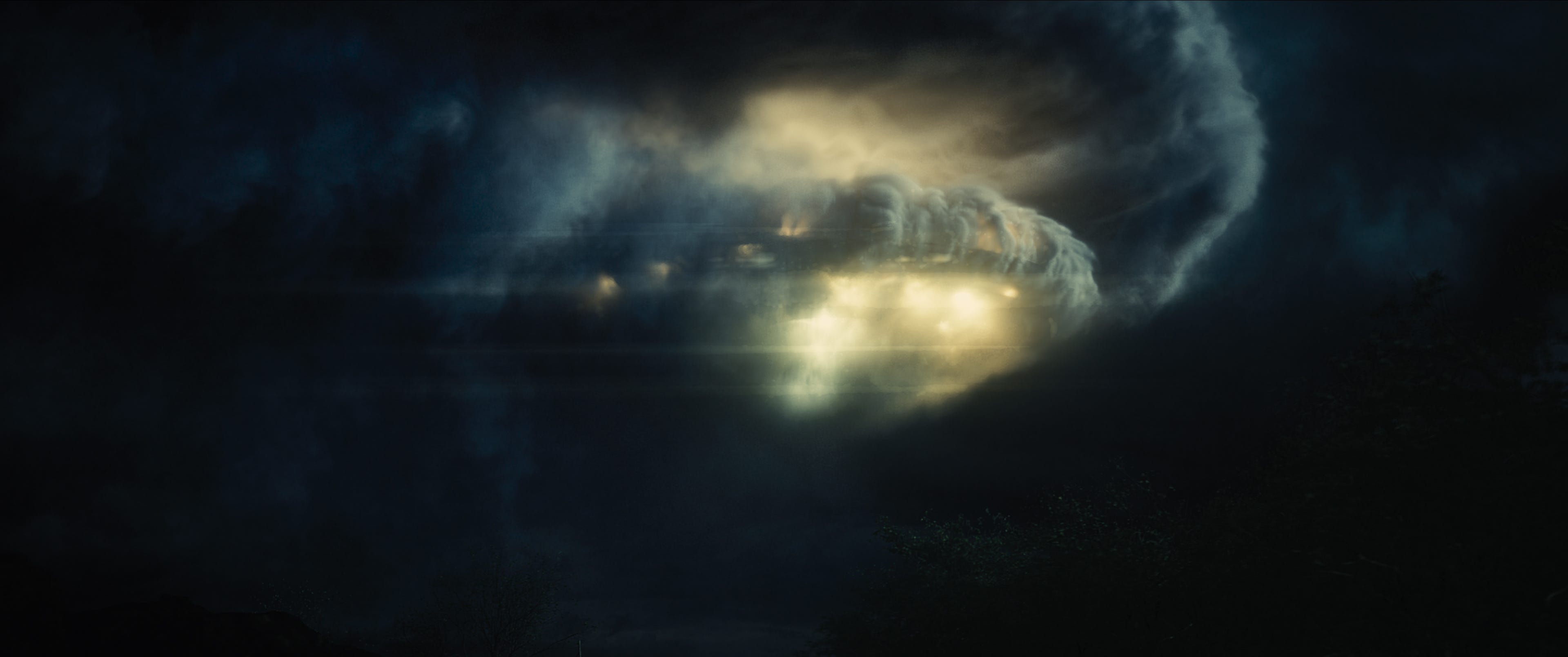
The timing could hardly be better. In recent years, interest in UFOs has experienced a revival, not least following the release of a series of previously classified documents, videos and reports by US authorities. Whether these brought us closer to the truth is hard to say, but they had at least one advantage: the public suddenly became very preoccupied with flying saucers, and correspondingly less preoccupied with certain other documents that were also competing for attention.
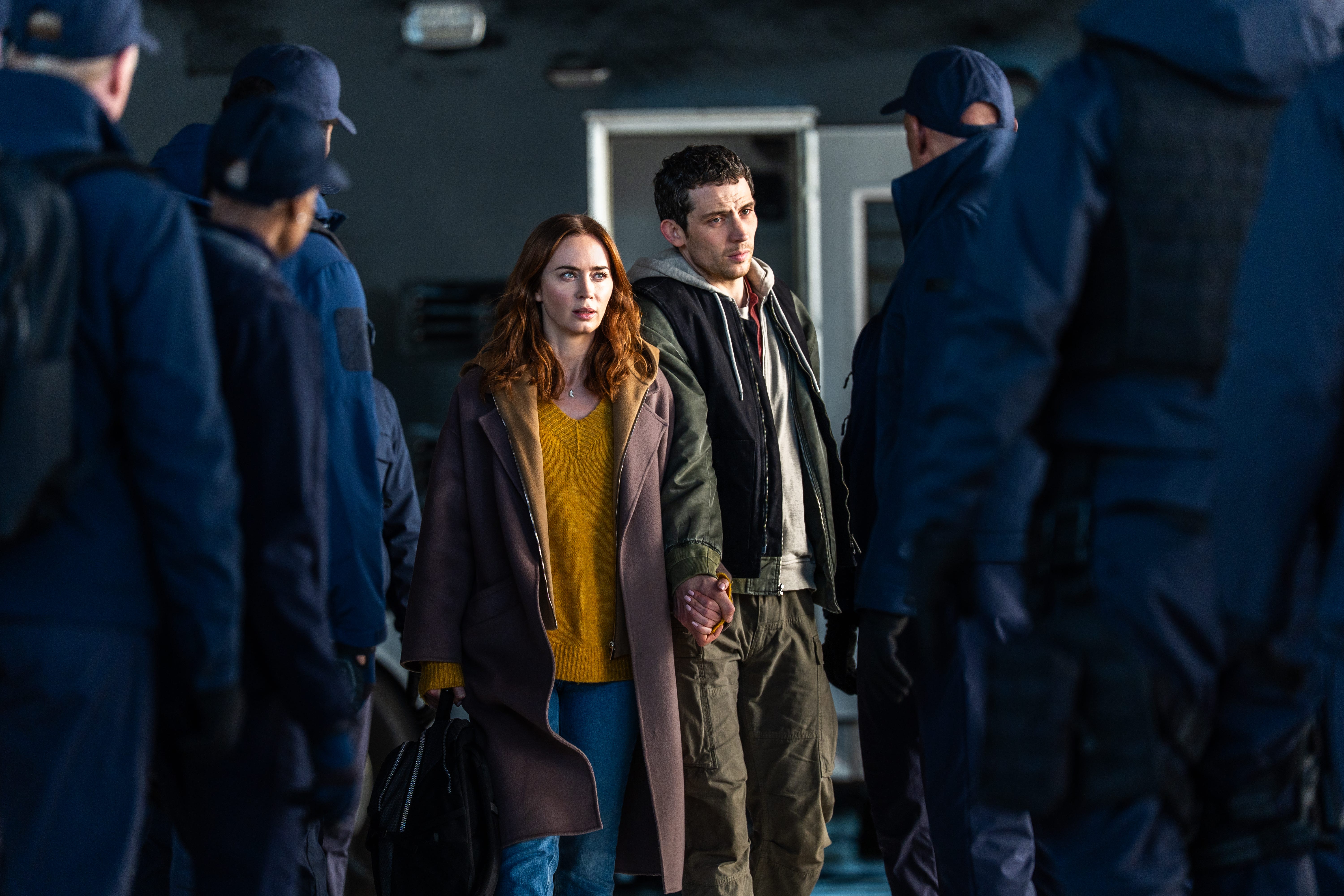
Disclosure Day takes place in a world edging toward a new world war. You can feel it in the air — in the news broadcasts playing in the background, in the faces of the people we meet. Into this uncertainty steps Margaret, played by Emily Blunt, a meteorologist with ambitions far beyond the weather forecast.
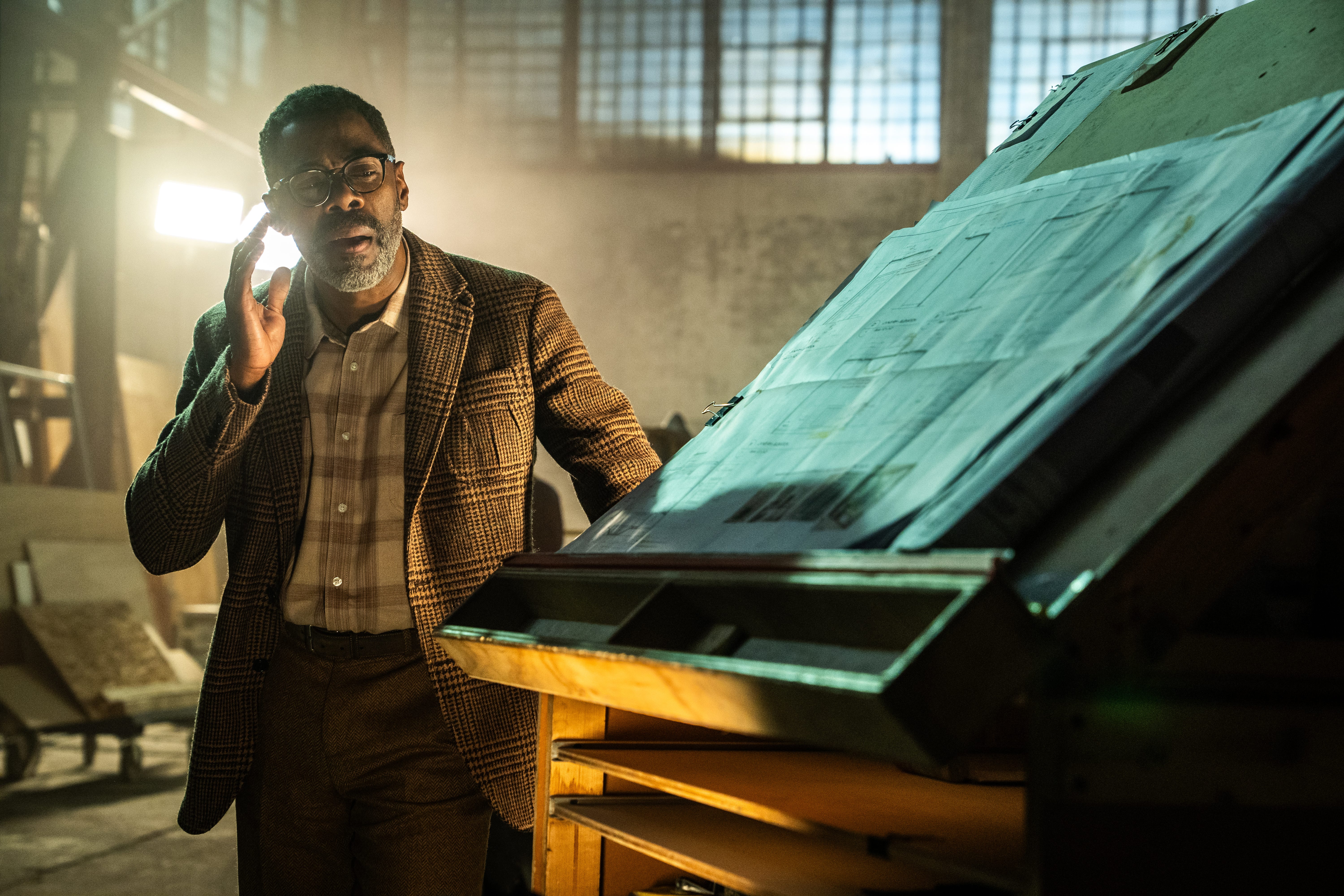
We also meet Daniel, played by Josh O’Connor — a man whose analytical abilities have always set him apart, and who is now on the run with secrets he has stolen from the organisation he once worked for. On one side stands Noah, played by Colin Firth, the leader of those who believe secrecy must be maintained. On the other, Hugo, played by Colman Domingo, who leads a group of defectors with a single goal: that the truth belongs to everyone. When Daniel and Margaret cross paths, they are drawn into a race against time that stretches all the way back to the legendary UFO crash in Roswell in 1947.
For me, Disclosure Day felt in many ways like a summation of Steven Spielberg’s lifelong fascination with UFO mythology. There are traces of Close Encounters of the Third Kind, echoes of E.T. the Extra-Terrestrial, and moods that recall War of the Worlds — and, as I mentioned, perhaps most of all Taken. Roswell, secret government projects, hidden truths and aliens are all central ingredients.
But the film isn’t always as interested in these ideas as it ought to be. Spielberg constructs a fascinating backdrop full of mysteries and conspiracies, yet spends surprisingly little time exploring it. Instead, much of the film is driven by a fairly conventional chase. The heroes arrive somewhere. Out of nowhere, a column of black SUVs appears in perfect formation, and suited agents pour out in droves. The heroes flee. And then it all repeats. It’s very American, very Spielberg, and after a while, very predictable.
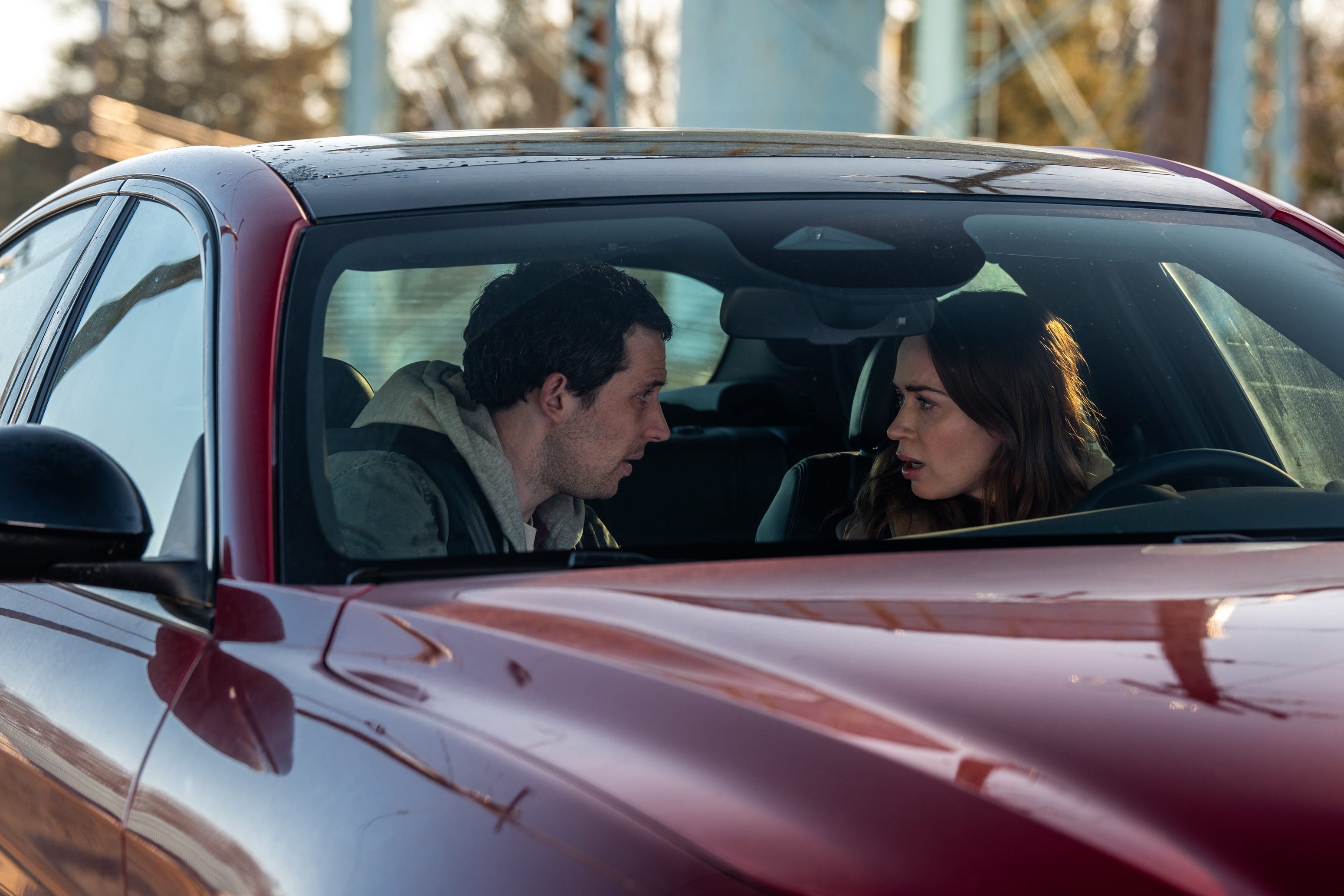
I would have liked to see the film spend less time on car chases and escape sequences, and more time exploring the UFO mythology it draws on. The material is rich enough to support far more than the film ultimately chooses to do with it. When Spielberg opens the door to questions about contact with alien civilisations, government secrecy and humanity’s place in the universe, it’s hard not to want more.
The film also attempts to explore what the existence of aliens would mean for religion and faith. Jane, Daniel’s girlfriend and former nun played by Eve Hewson, serves as the film’s entry point into this territory, and there is a scene featuring an elderly nun quoting the Bible that is almost worth watching on its own. Almost. The whole thing becomes a textbook example of “God of the gaps” — faith adapts to the new reality through a little theological hair-splitting, where God lives in the ever-decreasing gaps between rational thinking. What we’re left with is religious straw-grasping and pop philosophy.

And then there’s the CGI. Not even a budget of 115 million dollars appears to have solved cinema’s eternal problem with digitally animated animals. A fox or a deer has something organic and unpredictable about it that computers have yet to convincingly replicate, regardless of how many millions of polygons they throw at the problem. That said, many of the best special effects studios still struggle with this, and it’s still better than using real animals, which in most cases would be unethical.
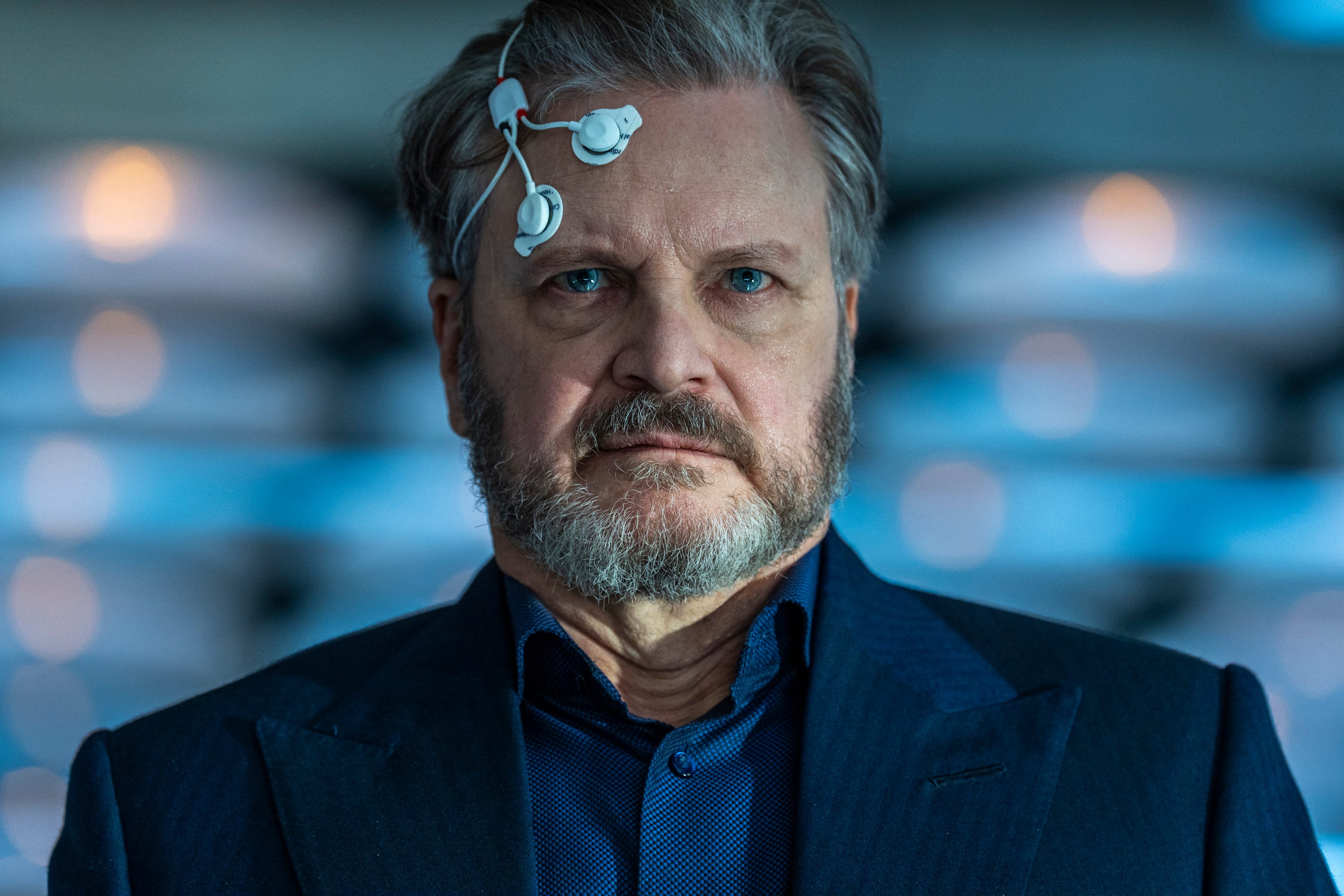
Fortunately, Disclosure Day has much else that works and more than makes up for many of the film’s shortcomings. Emily Blunt delivers what very well may be one of the finest performances of her career. She gives Margaret warmth, vulnerability and authority in equal measure, and there is barely a scene she doesn’t elevate simply by being in it. Colin Firth is also excellent as Noah. The role could easily have become a cartoonish villain, but Firth plays him with enough nuance that you understand his motivations, even when you disagree with his choices.
Josh O’Connor does what he can with Daniel, but the character is somewhat overshadowed by the stronger personalities around him — through little fault of the actor, most likely. Daniel is the one who sets everything in motion, on the run with Jane and a mysterious alien MacGuffin that both organisations are desperate to get their hands on. But beyond fleeing from suited agents and occasionally looking exhausted and defeated, the role is unfortunately a little thin. It is Emily Blunt who carries the film.
Visually, this is an enormously impressive film. The camera moves elegantly through long, complex takes, and Spielberg has always known how to fill a frame with light and reflections in a way that is entirely his own. The backdrop of a society on the brink — panicking crowds and news channels warning of the inevitable — draws on some of the darker corners of Spielberg’s filmography.
The same goes for the music. John Williams is 94 years old, and this is in all likelihood his final film. It is a worthy conclusion to one of the most celebrated creative partnerships in cinema history. The score is classic Williams, and parts of it will almost certainly be performed in concert halls for film music lovers for many years to come.
Perhaps that is precisely why Disclosure Day feels a little frustrating. Spielberg has spent much of his life imagining what might be waiting out there, and you wish he had dared a little more this time. Explored more. Discovered more. That the man who gave an entire generation its sense of wonder about the stars had taken us on a journey we hadn’t seen before, rather than nearly two and a half hours on the run from suited agents in black SUVs.
But Disclosure Day is still a good film. Just not one of the truly great ones.
This review was translated from the Norwegian original on my website Legendarium.no. While I don’t give review scores here on The Bull’s Eye, over on Legendarium, I gave Disclosure Day a 4 out of 6.
"Emily Blunt delivers what very well may be one of the finest performances of her career." Amen.
I will confess that I enjoyed the film a lot more than you and that Firth didn't quite do it for me, but I enjoyed reading your review.