
Review: 'Silo' (Season 3)
The mysteries that have loomed over Apple TV+’s dystopian series for two seasons are finally answered—and the result confirms it as one of the sharpest science fiction shows in years.

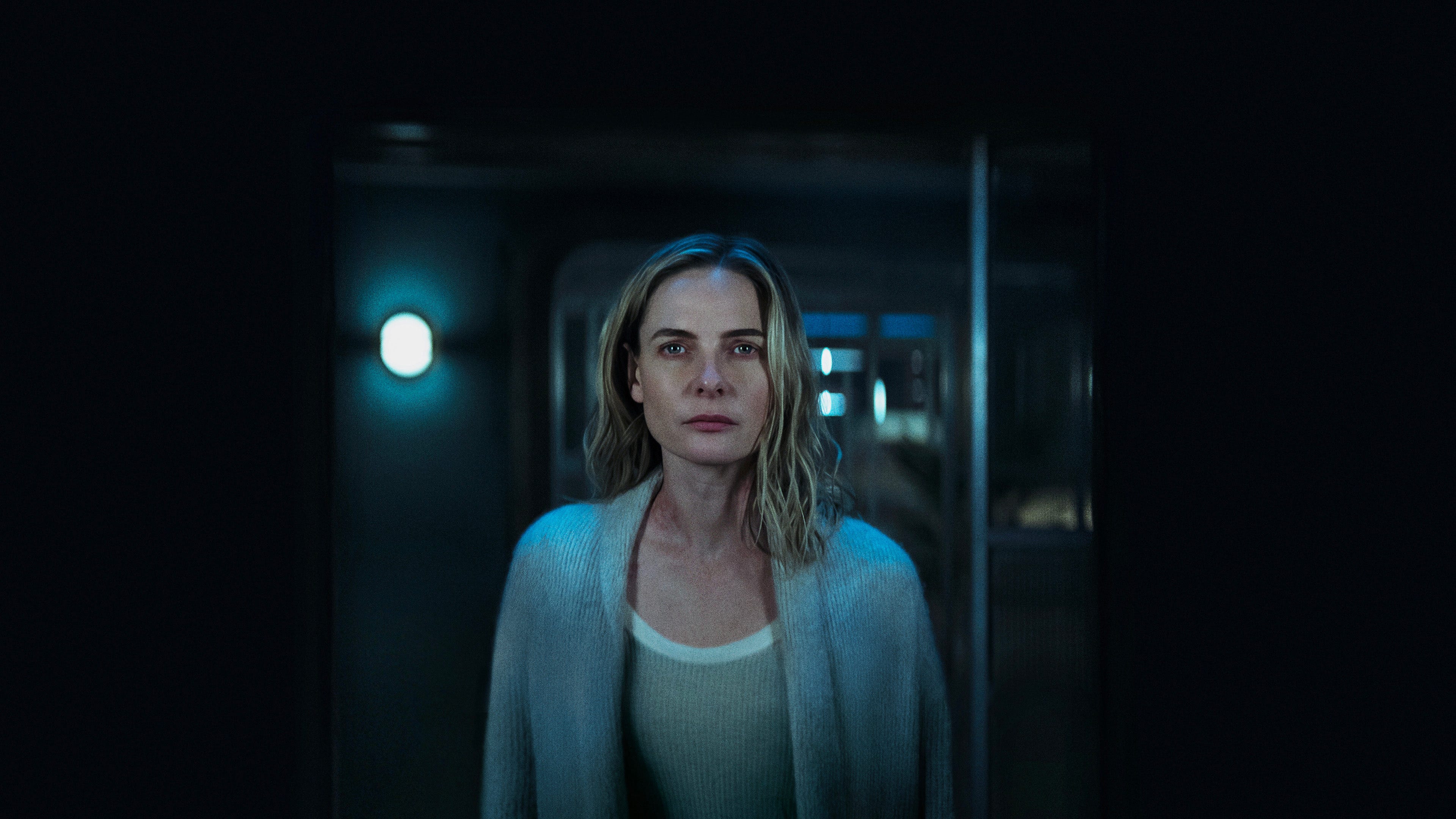
The claustrophobic concrete hell digs even deeper into systematic darkness in the third season of Silo. Apple TV+’s rock-solid sci-fi series expands its horizons and delivers an unsettling ode to George Orwell, where recognizable social commentary meets a deeply human story of oppression and survival.
Given that this review covers the show’s third season, I am making the bold assumption that readers have already watched the previous two.
Over the course of Silo’s first two seasons, Juliette Nichols (Rebecca Ferguson) has risen from being a grease-stained mechanic on the silo’s lowest levels to becoming the greatest threat to the system governing humanity’s last refuge. What began as an investigation into her boyfriend’s mysterious death quickly escalated into the unearthing of a vast network of lies, surveillance, and social control.
Juliette discovered that the silo authorities hide the truth about both the past and the outside world. This ultimately led to her being sent out of the silo to die—but once outside, she didn’t just get confirmation that the world remains lethal; she also discovered that her own silo is just one of many.
In the second season, she attempted to find her way back home after winding up in a seemingly abandoned neighboring silo, while her actions triggered unrest and rebellion among the citizens back home. Last season concluded with the returned Juliette and Bernard (Tim Robbins) standing face-to-face in the airlock on her way back into the silo.
As the third season opens, Bernard is dead, while Juliette awakens with amnesia caused by oxygen deprivation. Or is that really the whole story? Meanwhile, Juliette has become a symbol of hope and freedom among the silo’s inhabitants, who elect her as their new mayor. However, the real power still resides elsewhere: Camille Sims (Alexandria Riley) has assumed Bernard’s position and is secretly collaborating with the artificial intelligence that controls the silo. To maintain control, she stops at nothing to suppress the public’s rebellious tendencies.
The series was created by Graham Yost, previously known for writing the screenplays for films like Speed (1994), Broken Arrow (1996), and Hard Rain (1998). The first season was largely developed alongside Norwegian director Morten Tyldum, who still serves as an executive producer. In this third season, directing duties are shared across several hands, including Amber Templemore, Michael Dinner, Aric Avelino, and Alrick Riley. Silo is based on the book series of the same name by Hugh Howey, which originally began with the novel Wool.
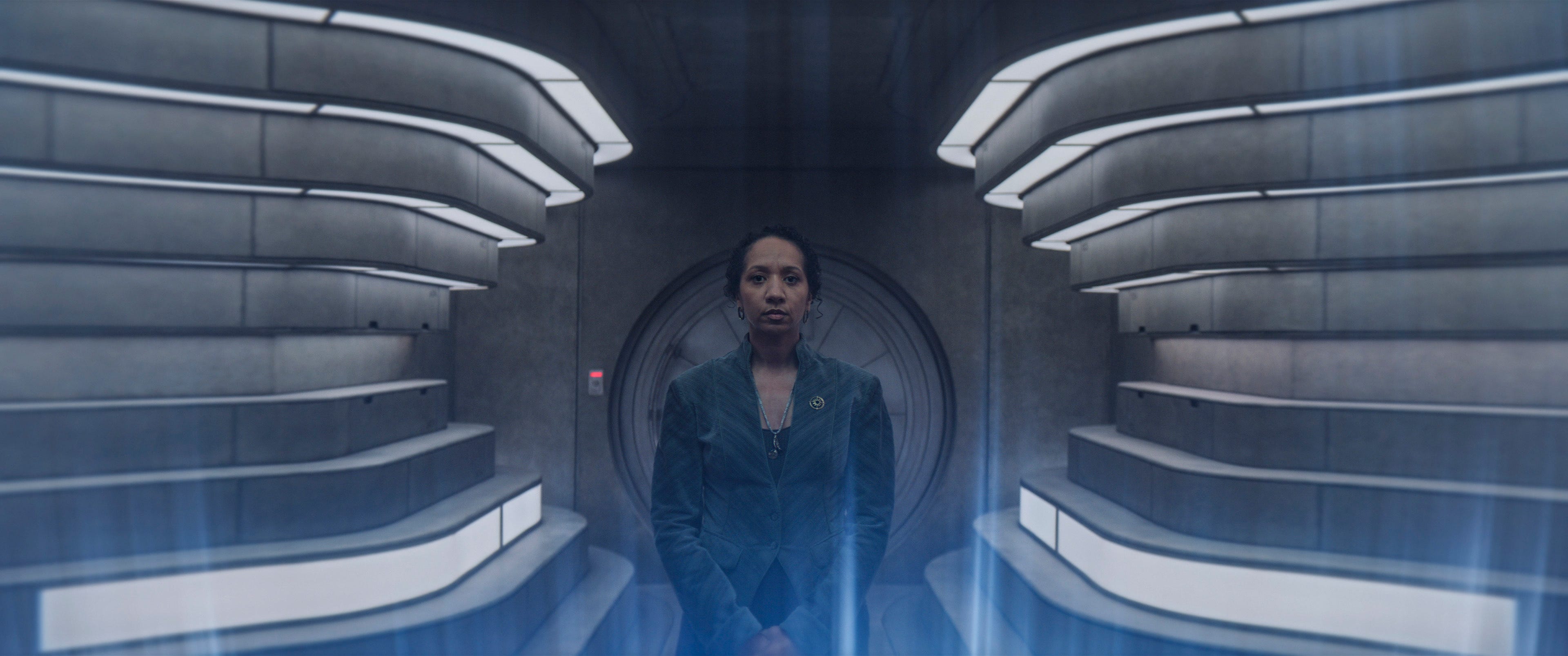
This season digs even deeper into the overarching mystery underlying the series: What exactly are the silos, who built them, and why? In previous reviews, I have described the series as a modern ode to Orwell, and this season surpasses its predecessors when it comes to Orwellian darkness. We are given a more relentless look into the systematic social control engineered into the very structure of the silo, while the contours of the larger truth finally begin to see the light of day.
New to this season is that, alongside the events in the silo, we follow a storyline unfolding in “our time”—before the world ended and the silos were built. Here we meet Congressman Daniel Keene (Ashley Zukerman), who, together with journalist Helen Drew (Jessica Henwick), begins investigating what initially looks like a potential conspiracy. Suspicion is fully aroused after the congressman’s sister, Charlotte (Jessica Brown Findlay), a skilled fighter pilot, ends up as the sole survivor of a bombing mission over Iran under highly mysterious circumstances. What starts as an isolated incident gradually guides them toward a truth far greater and more terrifying than they could have imagined.
When it comes to the acting performances, Rebecca Ferguson once again delivers solid craftsmanship. Juliette Nichols remains fierce, intense, and intelligent, but the series also carves out room for the character’s more vulnerable sides. Eventually, it becomes clear that she cannot save the silo alone, no matter how resourceful she is. Several established characters also receive more screen time this season, and the ensemble cast delivers at a consistently high level.
The new additions—Ashley Zukerman, Jessica Henwick, and Jessica Brown Findlay—blend seamlessly into the narrative. Through their storyline, we get a more comprehensive picture of the events that led to the existence of the silos and the end of the world. They bring fresh perspectives that expand the show’s universe without stealing focus from the main plot.
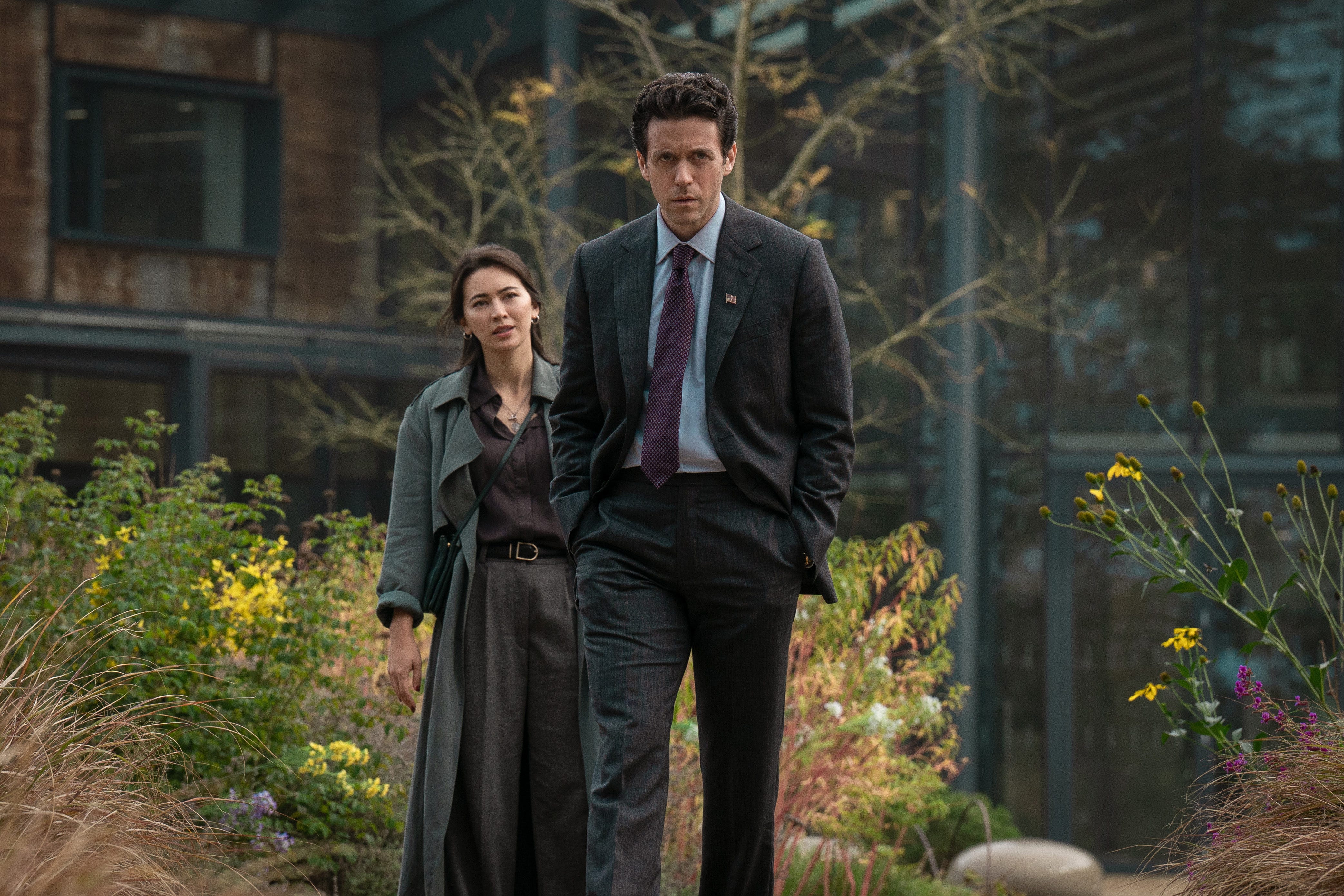
Alexandria Riley is also given significantly more to work with this season in the role of Camille Sims. She delivers a nuanced portrayal of a character who, with fierce determination and cold pragmatism, tries to do what she believes is best for the silo. Riley effectively conveys how Camille is gradually driven to commit increasingly horrific acts—not because she is evil, but because she genuinely believes it is the only way to ensure the community’s survival.
Both the story inside the silo and the timeline from the past are steeped in sharp social commentary reflecting our own contemporary world. The show shines a spotlight on how we govern today through politics, technological advancement, and power structures. The media is saturated with conspiracy theories, trust in institutions is eroding, and artificial intelligence is playing an ever-greater role in our lives. Is the conspiracy we witness in Silo particularly believable? Disturbingly, parts of it feel entirely plausible.
But the threats don’t just come from above or from the system itself. This season also introduces a new problem tied to a seemingly trivial murder case within the silo—an event that darkens the already uncertain future of its inhabitants. What is really behind it? And how will the people in the silo survive when both the system they live under and their own darker impulses are working against them? Can a handful of individuals truly save humanity’s last outpost from annihilation?
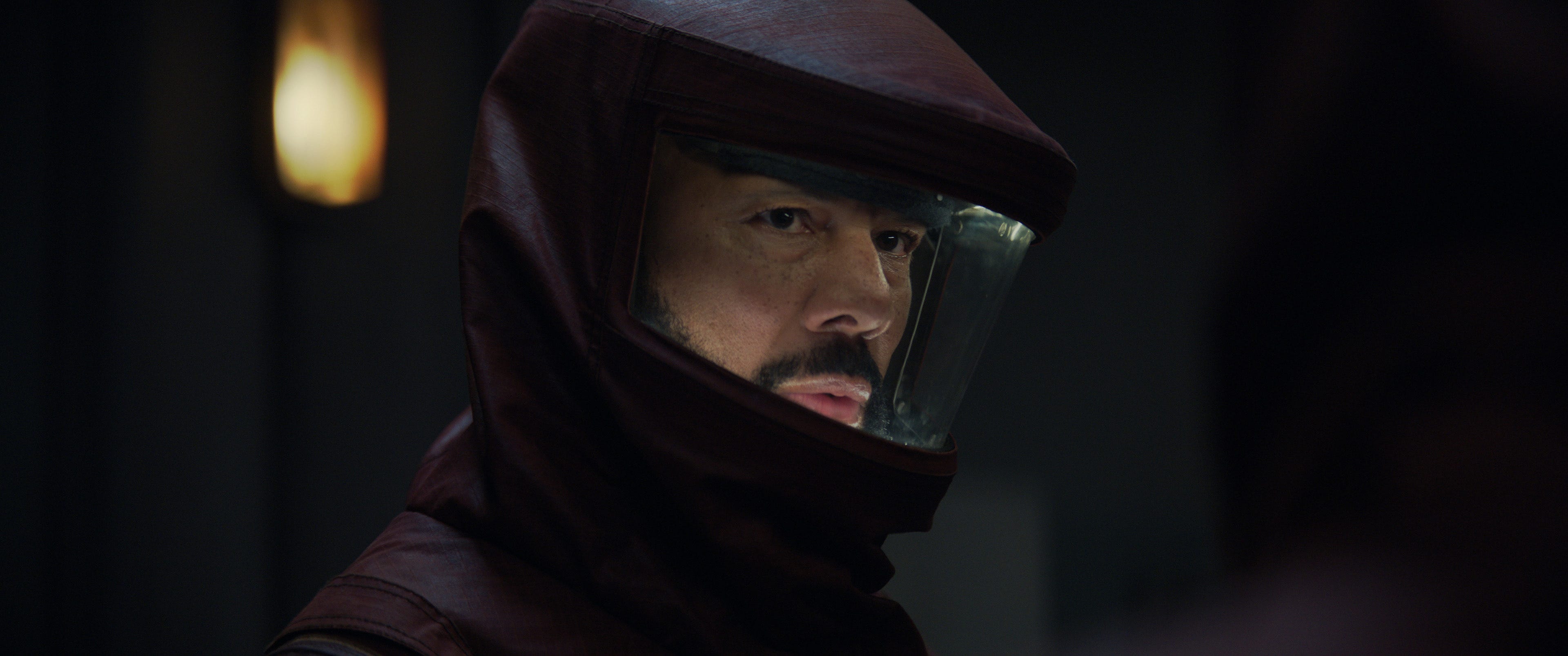
The sound design, music, special effects, and overall production values maintain the same high standard as before. However, if you are looking strictly for constant action, rapid pacing, and fast-cut editing, you might find the beginning of this season a bit slow. Much like season two, the show takes its time building up the story and characters before truly shifting into high gear.
Yet, as the mysteries unravel and answers begin to emerge, it becomes clear why the show takes its time. Several of the questions that have loomed over the narrative since the first season finally receive meaningful answers, and the payoff is more than enough to justify the deliberate build-up.
Silo has long been, and continues to be in this third season, one of the most solid and thoroughly realized science fiction series in years. It pairs Orwellian dystopia with a deeply human and engaging story of hope, oppression, and survival. The result is a series that challenges the audience to reflect on our own daily lives and how the world might end up if we aren’t careful. Silo remains highly recommended!
This review was translated from its Norwegian original on Legendarium.no, where it was also written by Thor Aaberg. He gave this season a score of 6 out of 6.
 | A guest post by
|