
Review: 'The Odyssey'
A review-essay of Christopher Nolan's newest cinematic epos and the millenia old epic that inspired it

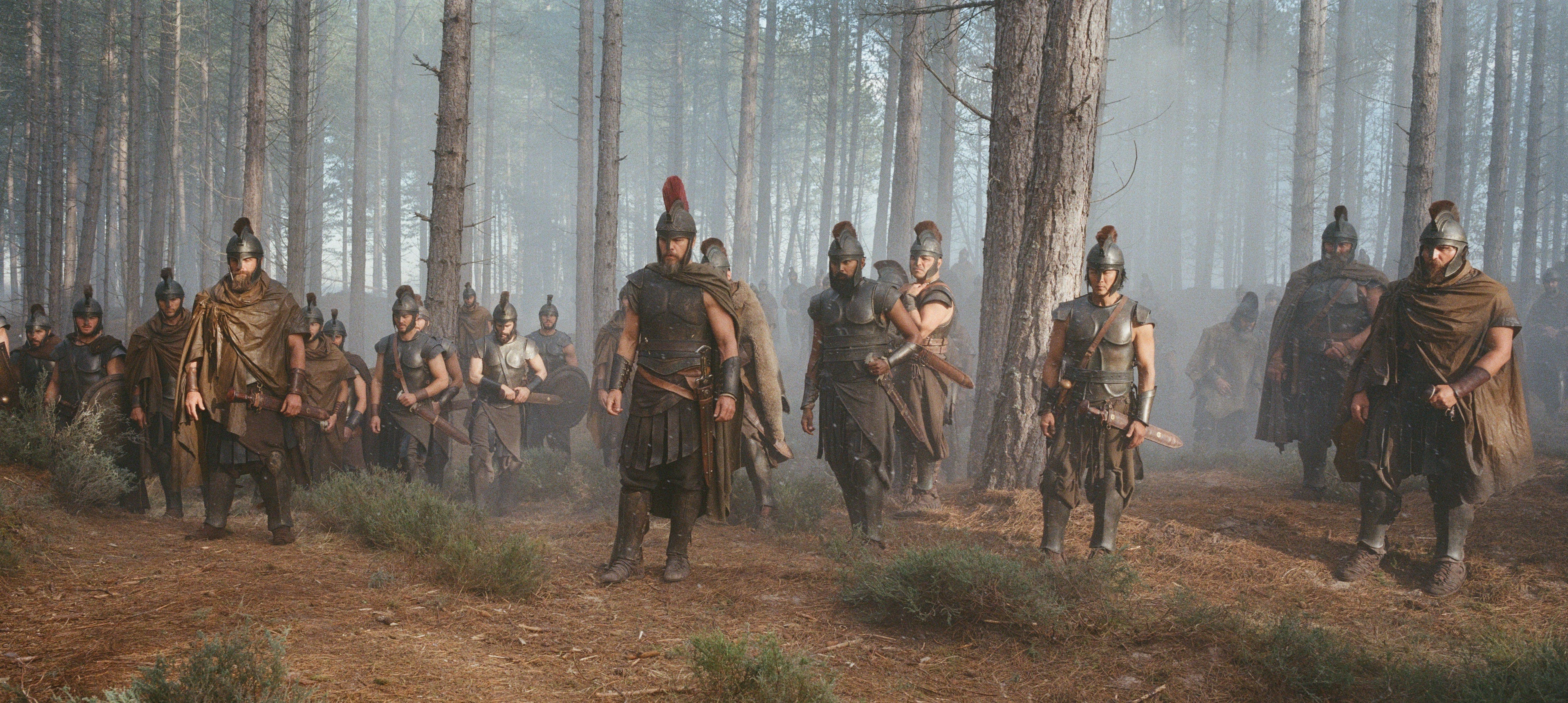
“Sing in me, Muse, and through me tell the story of the man skilled in all the ways of contending, the wanderer, harried for years on end, after he plundered the stronghold on the proud height of Troy.”
-Homer, The Odyssey, Book 1: Invocation (Robert Fitzgerald’s translation, 1963)
It all began with the first step on the Hero’s Journey.
Where Homer’s Iliad tells the story of Achilles’ rage and the fall of Troy, its companion epic, The Odyssey, follows the warrior and seafarer Odysseus on his long voyage home after ten years of war. It is this story that would become the very blueprint for myths, legends, and adventures throughout the Western literary tradition, shaping the way we tell stories nearly three thousand years later.
Across the centuries, the tale continued its own journey. Skalds and troubadours carried it from court to court, while writers and mythologists such as Joseph Campbell (1904–1987) mapped the Hero’s Journey itself, helping modern storytellers understand and apply it in their own works.
Some embraced its ideals. J.R.R. Tolkien used them to build a modern mythology of kingship, sacred inheritance, and hope in The Lord of the Rings, while his friend C.S. Lewis used The Chronicles of Narnia to, shall we say, enthusiastically preach the Christian faith.
Others went in the opposite direction. Frank Herbert warned against charismatic leaders and religious fanaticism in Dune, while Terry Pratchett gleefully mocked the hero, the journey, the horse he rode, the map he followed, and just about everything else that happened to get in the way.
Today, the pattern is everywhere. We see it in Star Wars, The Lord of the Rings, Harry Potter, The Matrix, The Lion King, Finding Nemo, Fullmetal Alchemist, Moana, and virtually every Marvel superhero origin story ever put on screen.
The monomyth, as it is also called due to its fundamental pattern, endures because, at its heart, it is the story of all of us. Childhood. Growth. Experience. Wisdom. Struggle. Old age. And, eventually, death. Stories told in circles feel deeply familiar because, in many ways, they mirror the lives we all live — whether we realize it or not.
Today, the pattern is everywhere. We see it in Star Wars, The Lord of the Rings, Harry Potter, The Matrix, The Lion King, Finding Nemo, Moana, The Wizard of Oz, Fullmetal Alchemist, and virtually every Marvel superhero origin story ever put on screen.
The monomyth endures because, at its heart, it is the story of all of us. Childhood. Growth. Experience. Wisdom. Struggle. Old age. And, eventually, death. Stories told in circles feel deeply familiar because, in many ways, they mirror the lives we all live—whether we realize it or not.
The Origins of the Hero’s Journey
As mentioned earlier, Homer’s epic has shaped much of Western storytelling since it was first written down. You might think that would make it the perfect candidate for a faithful film adaptation.
It doesn’t.
Fragments of The Odyssey have appeared throughout film, television, and popular culture for as long as these mediums have existed. Wolfgang Petersen’s epic Troy (2004), for example, cast Sean Bean as Odysseus, while the television miniseries The Odyssey (1997) starred Armand Assante in the title role. More recently came the criminally overlooked The Return (2024), with Ralph Fiennes as the weary king of Ithaca, focusing on the final chapters of Homer’s tale, while stripping the supernatural elements from the myth.
But what about the story in its entirety?
Homer’s poem follows the seafarer Odysseus, who is called to war against the city of Troy after Prince Paris falls in love with — and secretly abducts — Helen, Queen of Sparta and the wife of Menelaus, brother of King Agamemnon. Eager to bring down Troy’s seemingly impregnable walls, Agamemnon assembles a fleet of a thousand ships to bring her home.
Among those sailing with him is Odysseus, the legendary warrior Achilles, and what can only be described as an all-star cast of heroes from Greek mythology. It is also Odysseus who devises the plan for the Trojan Horse, the deception that finally brings about Troy’s downfall. That chapter of the story is, of course, the focus of Petersen’s Troy.
With the war finally over, Odysseus—now traumatized by bloodshed and guilt—sets sail for his island kingdom of Ithaca. He leaves with the same ships that carried him to Troy, but the voyage home proves far more difficult than anyone could have imagined. Homer’s epic, spanning more than 12,000 lines of poetry, doesn’t actually begin until the final stretch of that journey.
By then, Odysseus has become stranded on the island of the love sick nymph Calypso, while the extraordinary adventures that brought him there are told through a series of flashbacks.
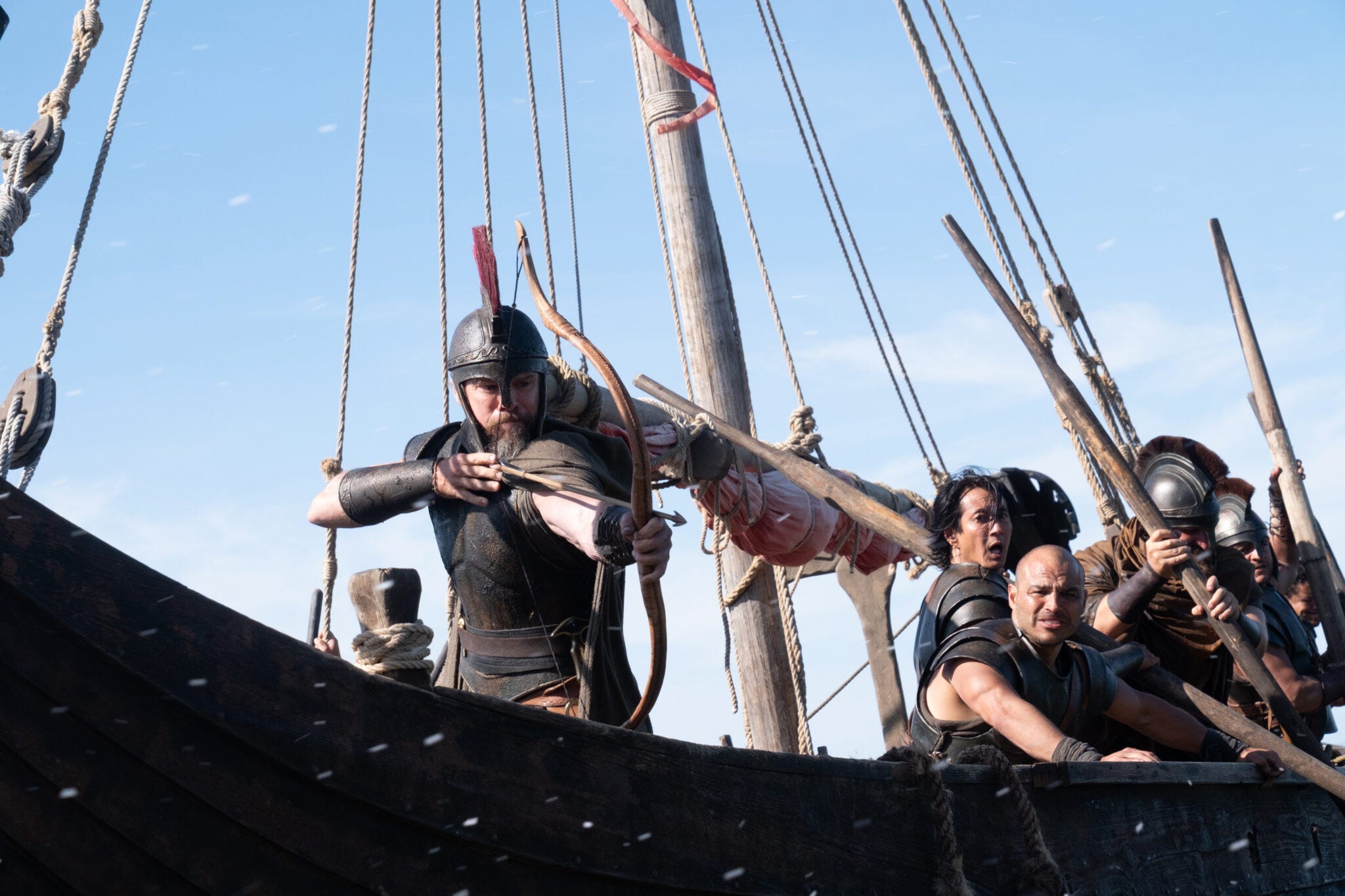
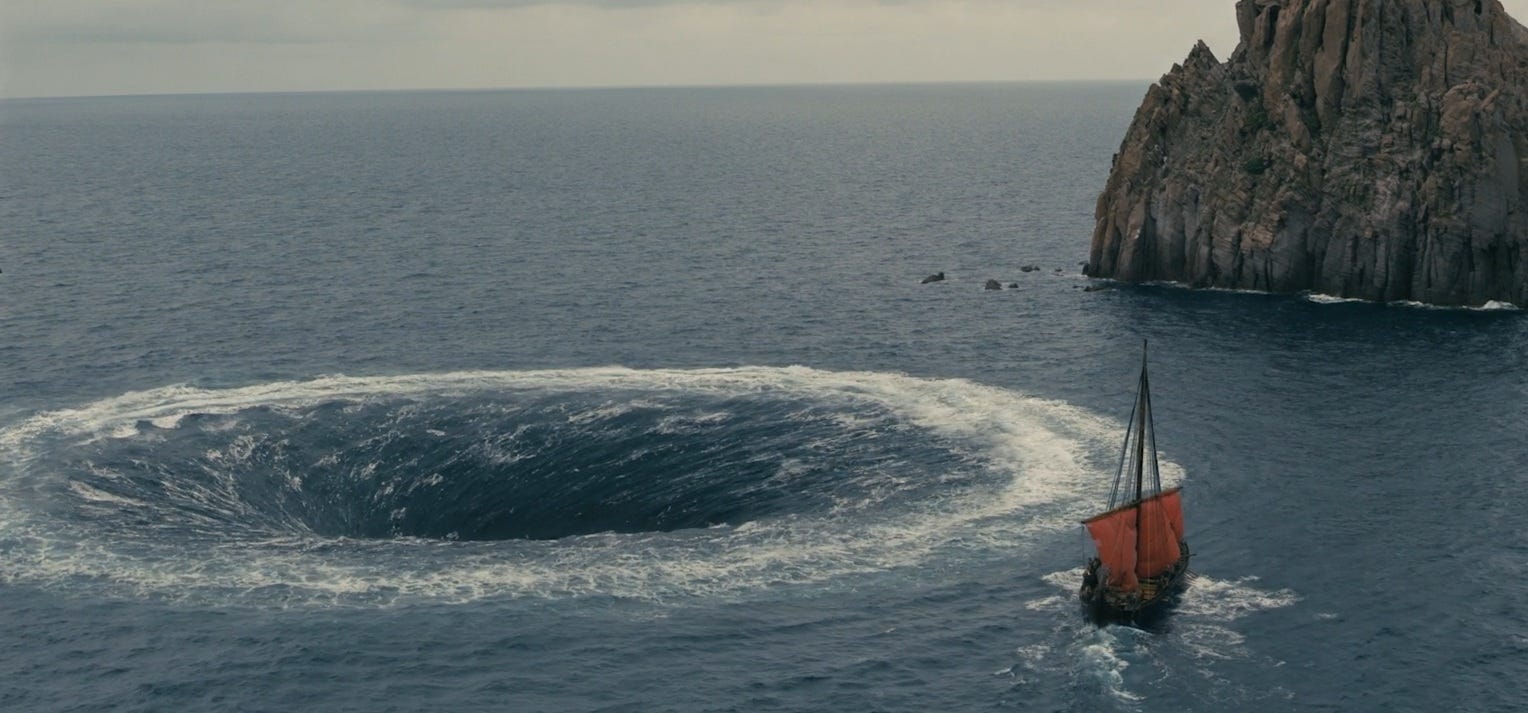
Driven by the will and wrath of the gods, Odysseus and his crew face one deadly trial after another. On a remote island they encounter a one-eyed giant, a Cyclops, who traps them inside his cave and begins devouring the men one by one. The cannibalistic Laestrygonians obliterate nearly the entire fleet. The sea monsters Scylla and Charybdis claim even more lives. The enchanting Sirens lure sailors to their deaths with their irresistible song, and Odysseus survives only by stuffing his crew’s ears with beeswax while having himself bound to the ship’s mast.
They voyage into Hades’ underworld, men are transformed into swine, the crew defies the gods by slaughtering the sacred cattle of Helios, and finally, Zeus destroys Odysseus’ last remaining ship with a single bolt of lightning. Again and again, Odysseus and his companions are tested by gods and monsters alike.
Back on Ithaca, Queen Penelope is still waiting for her husband, as their son Telemachus sets out to search the seas for his father. Their home, however, has been overrun by scores of suitors, each hoping to marry the queen and claim the throne for himself. Like male lions taking over a new pride, they also hunt Odysseus’ son, knowing that if the king never returns, neither should his heir live long enough to inherit the kingdom.
But the king has returned.
Ten years after leaving Troy, Odysseus awakens alone on the shores of Ithaca, barely remembering how he got there. His crew has met every imaginable fate — devoured, murdered, enchanted, or taken by monsters and gods. His ships lie shattered against the rocks or rest on the bottom of the sea.
The king has returned: exhausted, starving, and broken. No one recognizes him except Argos, his faithful old hunting dog, now dying after years of waiting and neglect. To everyone else, he is nothing more than a beggar. But when Odysseus sees the greedy suitors feasting in his own halls while plotting to marry his wife and murder his son, a righteous fury awakens within him.

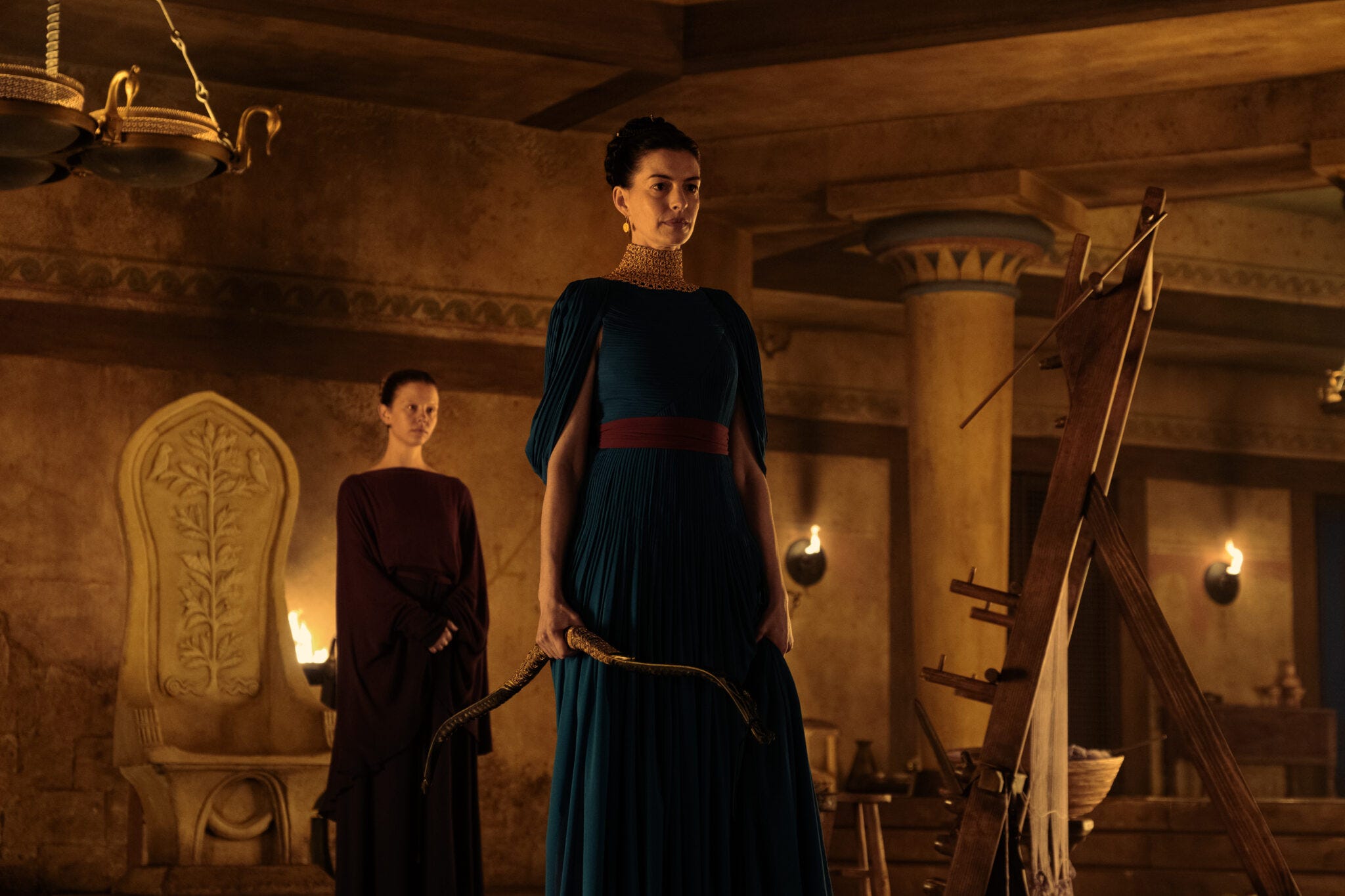
Penelope finally declares a contest: whoever can string her husband’s great bow and send an arrow cleanly through twelve axe heads shall win her hand in marriage. Then everything changes. Odysseus, unrecognizable beneath the rags of a beggar and mocked by everyone around him, asks to hold the bow. He strings it. He draws. The arrow flies true.
The doors are locked.
The suitors are trapped inside, and as revenge for the threats against his family and the breaking of sacred guest rights, one by one they fall beneath the king’s arrows. The master of the house is home.
Endlessly researched by scholars of litterature and history, Homer’s poem is a sprawling exploration of patience and loyalty, the need to belong, and the yearning for home. Sadly, these themes and concepts are often lost in adaptations that focus more on action and the adventures of the protagonist.
But to bring the epic to the screen in its entirety while still remaining faithful to the soul of the story? That would require a filmmaker of extraordinary ambition. As I quoted at the beginning of this review, this is the “the story of the man skilled in all the ways of contending, the wanderer, harried for years on end.”
The poem is monumental, and every chapter has left an indelible mark on our culture, to the point that the very word odyssey has become synonymous with any long and arduous journey.
…and of course, it took none other than Christopher Nolan to look at this monumental work and say:
“Hold my kykeon.”
Cinema and Conflict
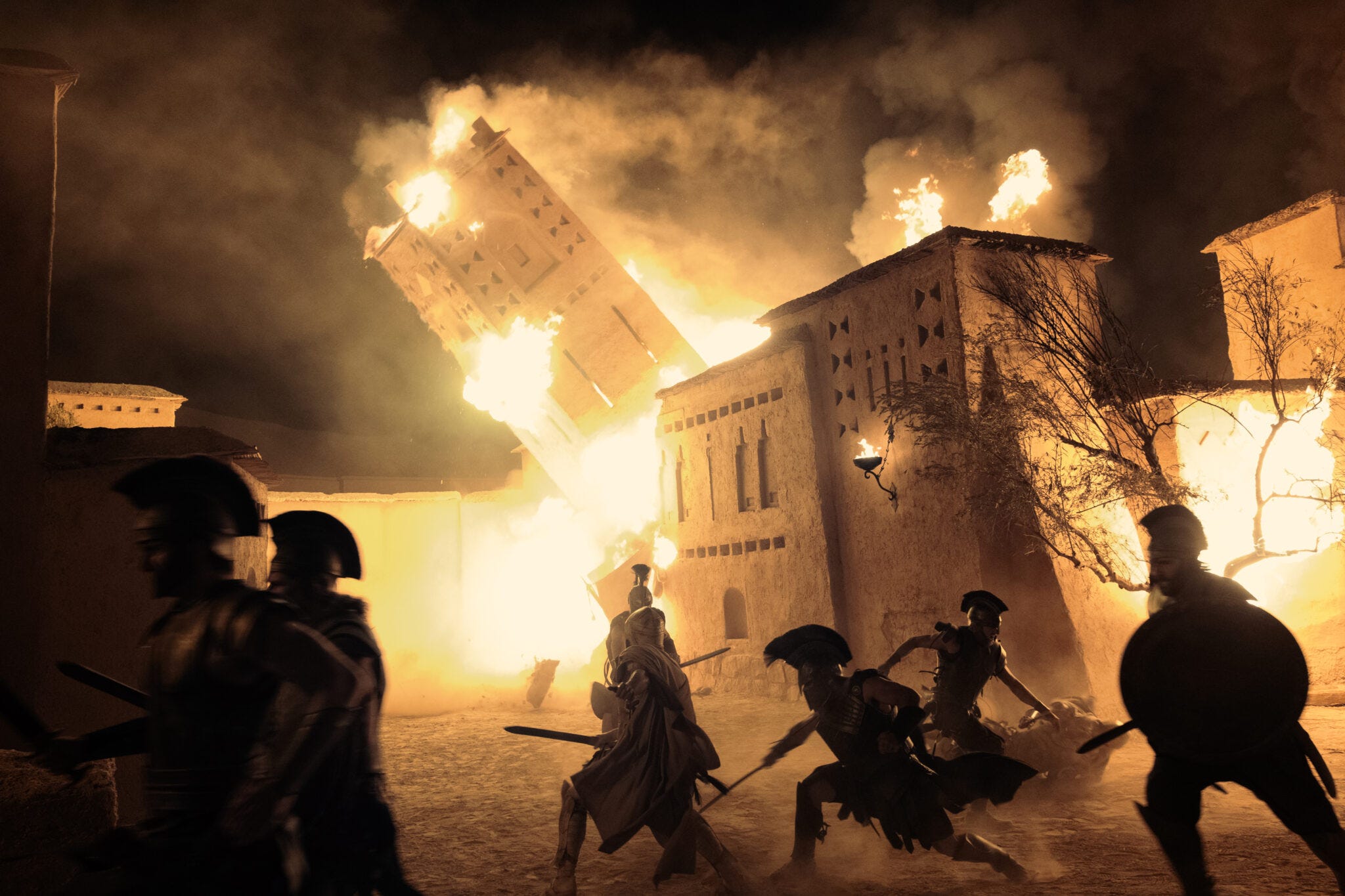
In today’s film industry, only a handful of directors can sell movie tickets simply by having their name at the top of the poster. Christopher Nolan is unquestionably one of them. He has never been known for taking the easy road. His love of towering IMAX imagery and old-school filmmaking is matched only by his skepticism toward CGI and artificial intelligence.
Massive productions, practical effects, and real-world locations have become the hallmarks of his work, earning him the admiration of both audiences and collaborators alike. Few know that better than his creative partners: Dutch-Swedish cinematographer Hoyte van Hoytema and Swedish composer Ludwig Göransson. Together, they have collected multiple Academy Awards while redefining what modern event cinema can be.
And yet, somehow, Nolan has gone even bigger.
The Odyssey may well be the most ambitious film of his career. Shot entirely with heavy IMAX cameras — once again under Hoyte van Hoytema’s eye — the production traveled across the Mediterranean, often filming in locations that have been associated with Homer’s epic since antiquity. Among them are Malta and Sicily, but also Nestor’s Cave and Voidokilia Beach in Messenia, Greece, places that have echoed with the legend of Odysseus for centuries.
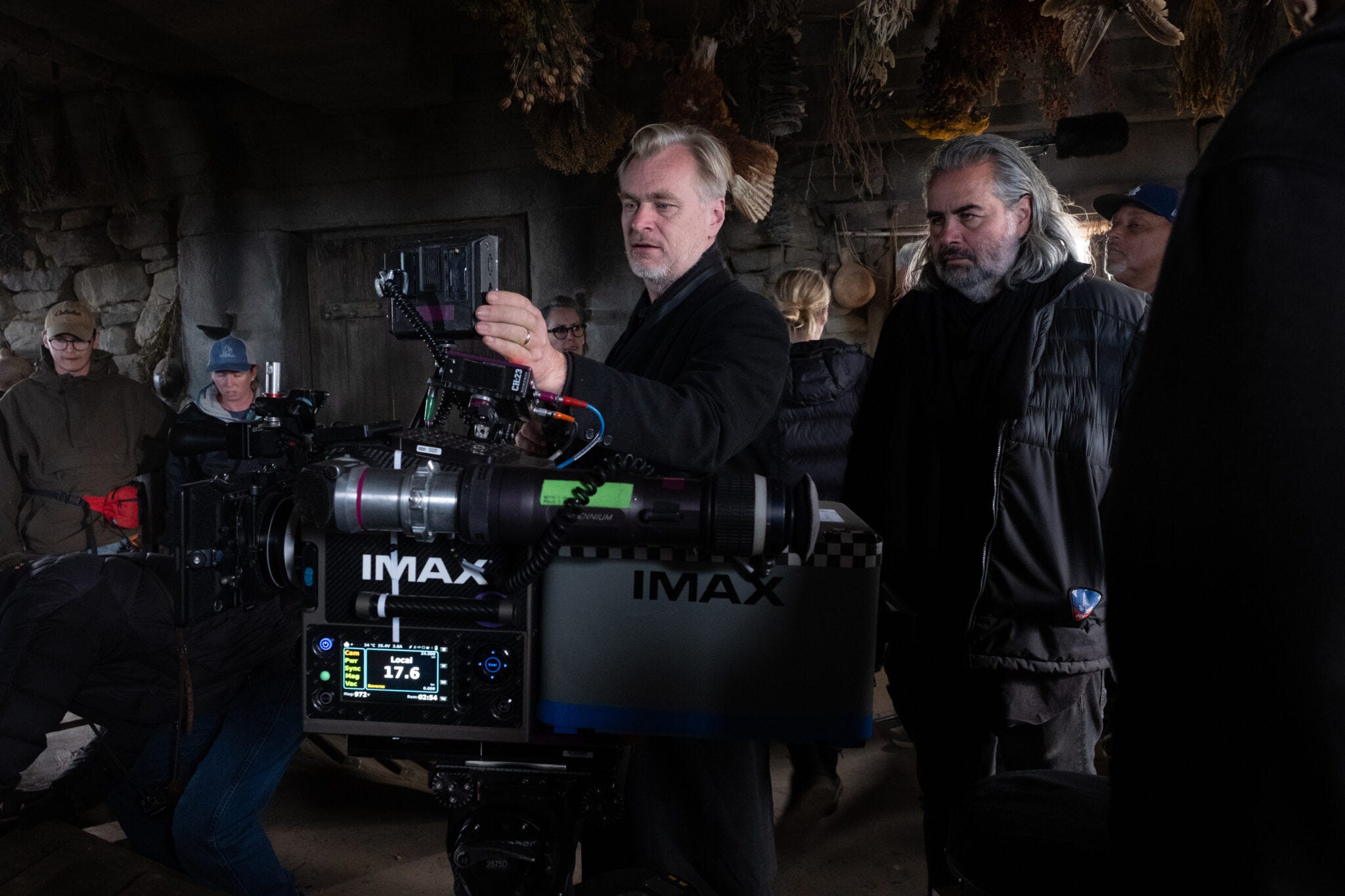
Not unlike Odysseus and his crew, Christopher Nolan and the production of The Odyssey encountered their own share of trials, obstacles, and more than a few trolls. While Nolan assembled a remarkable ensemble — bringing back familiar collaborators such as Matt Damon as Odysseus, Anne Hathaway as Penelope, and Robert Pattinson as Antinous— it was some of the other casting choices that sent predictable corners of the internet into meltdown.
As the remaining cast members were announced, comment sections and social media quickly filled with outrage from perpetually online keyboard warriors who would love nothing more than to reverse the hard-won progress toward greater diversity in popular culture.
Once again, identity politics became a convenient excuse for attacking actors based on who they are rather than the performances they might deliver. The backlash was as predictable as it was sad. Helen of Troy is played by the exceptional Lupita Nyong’o — but her talent was never really the issue. She is Black, and for some people, that was enough. Elliot Page is also part of the cast. He is a transgender man, and that alone proved sufficient to provoke the very same reaction across comment sections and some of Reddit’s darker corners.
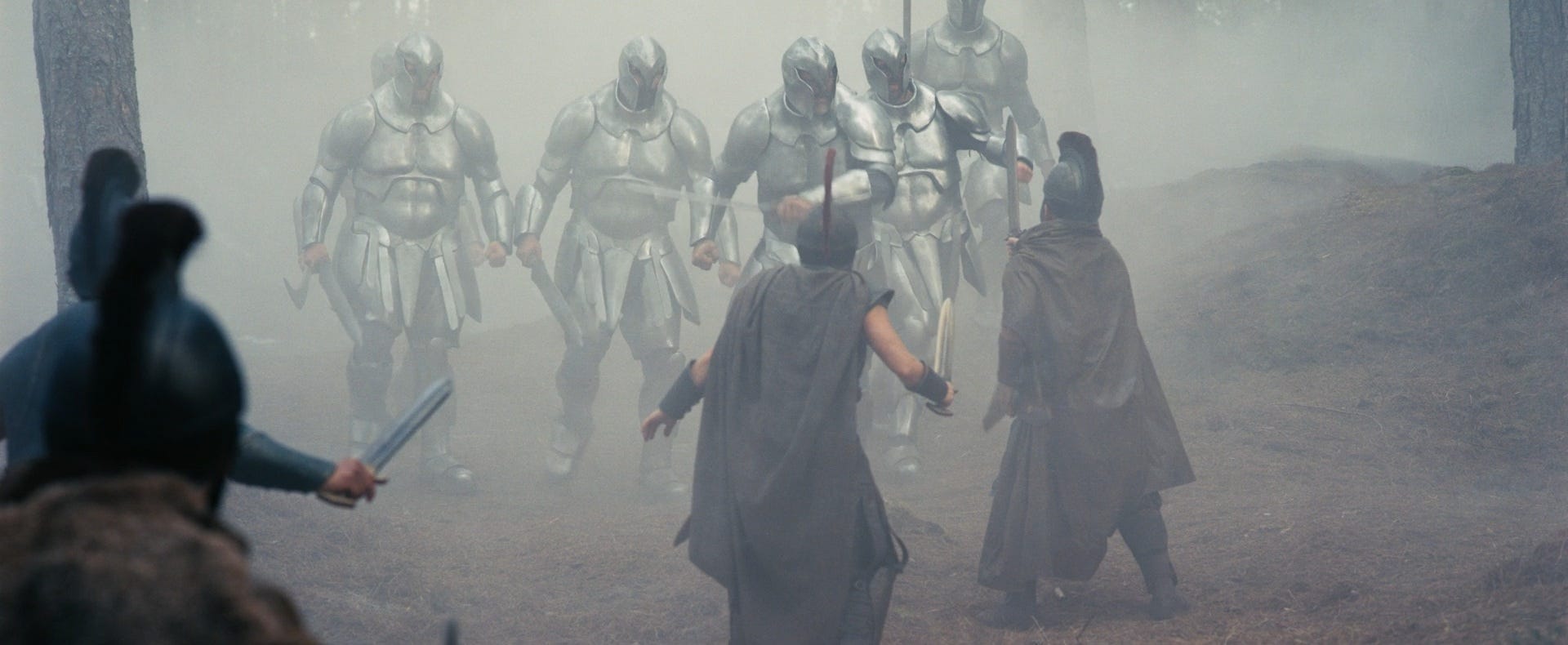
As if that weren’t enough, many of the same keyboard warriors suddenly discovered a lifelong passion for ancient Greek history. Once the outrage machine was already in motion, Nolan’s visual design became the next target. Certain pieces of armor and the design of Odysseus’ ship — which was in fact the Norwegian Draken Harald Hårfagre — were denounced by people who never seemed bothered by John Boorman’s high medieval plate armor in Excalibur (1981) or Zack Snyder’s famously half-naked Spartans in 300 (2006). Suddenly, “historical accuracy” became the defining standard for judging a film that also happens to feature Cyclopes, sea monsters, and Olympian gods.
But unlike Odysseus and his crew, Christopher Nolan’s latest epic was never in any real danger. The Odyssey sailed on, leaving faint cries of “woke” and complaints that “Greek ships didn’t look like that” fading behind its wake. Such reactions are little more than drops in the ocean compared to the worldwide anticipation and excitement surrounding the film.
Nolan’s Crew
Drawing inspiration from multiple interpretations and translations of Homer’s epic, The Odyssey rises well above the traditional sword-and-sandal spectacles that came before it. At the center this mythic story is a very human Odysseus, brought to life by Matt Damon with equal measures of desperation and pride. This is, after all, the story of a man trying to find his way home, and it’s hard not to giggle at the number of times Damon himself has embarked on exactly that journey throughout his career.
It is equally fascinating to look at Damon’s evolution as an actor. From the bright-eyed wunderkind of the 1990s, through the Bourne films, to the weightier dramatic performances that have defined much of his recent work, his career has been one of growth and reinvention. The Odyssey may be an ensemble piece, but there is never any doubt that Damon carries the story. Nolan gives him the room to do so, and as a result, Damon delivers one of the strongest performances of his career.
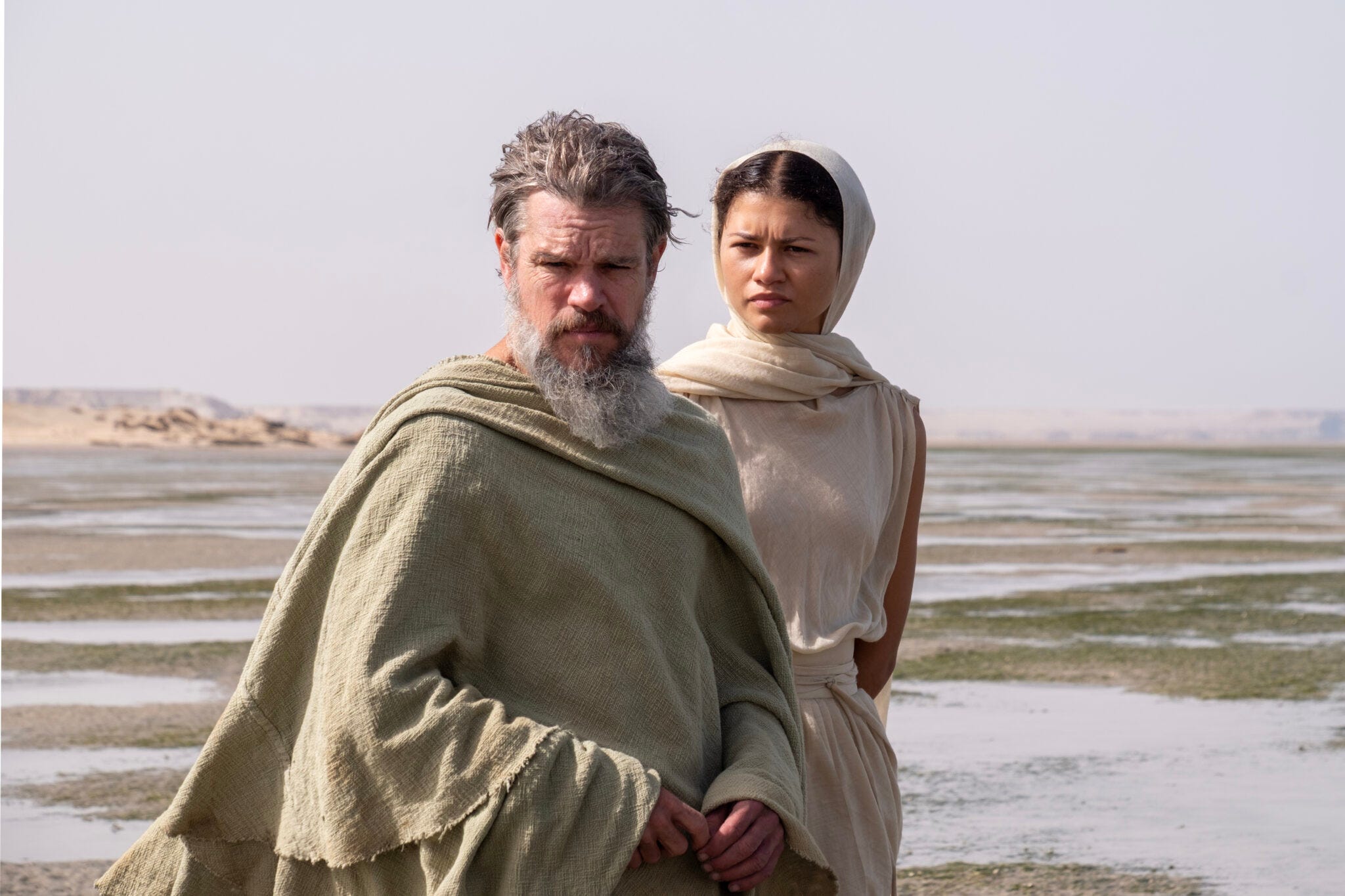
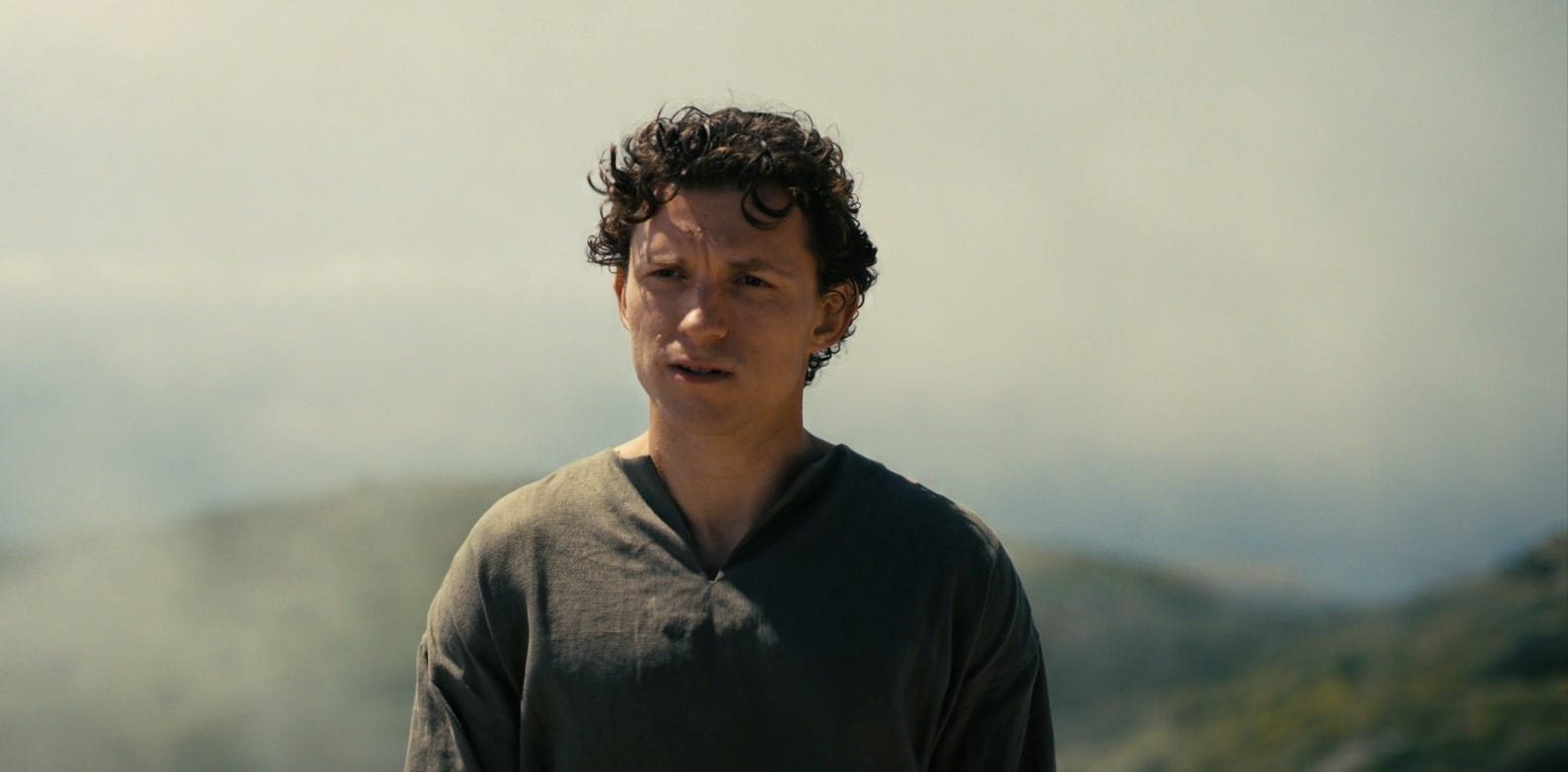
Matt Damon, however, is only one piece of an exceptionally talented ensemble. Tom Holland, still best known to many audiences as Spider-Man, plays Odysseus’ son Telemachus, who finds himself hunted by the suitors occupying his father’s palace in the hope of marrying Queen Penelope, played by Anne Hathaway.
Both deliver excellent performances, but what surprised me most was just how effortlessly Holland sheds the red superhero suit. He feels entirely at home in this world. Robert Pattinson, meanwhile, revels in every deliciously sinister moment as the cunning and ruthless Antinous, a role he appears to enjoy immensely, even though he sometimes reaches up to twirl his invisible mustache.
There are, of course, plenty more familiar faces throughout The Odyssey, a testament to Christopher Nolan’s unique ability — whether through reputation, artistic credibility, budget, or some combination of all three — to persuade even the biggest stars to accept comparatively small roles.
Zendaya appears as the goddess Athena, Charlize Theron plays the nymph Calypso, and Lupita Nyong’o takes on the dual role of both Helen of Troy and Clytemnestra, Helen’s sister and the wife of King Agamemnon, portrayed by Benny Safdie. The supporting cast also includes, as mentioned earlier, Elliot Page, alongside, John Leguizamo, Himesh Patel, Mia Goth, Logan Marshall-Green, Jon Bernthal, Jovan Adepo, and many more.
Storytelling is Balance
A great cast, however, is no guarantee of greatness. Nolan is famous for the extraordinary amount of work he pours into every production, and there are times when that dedication borders on obsession. Yet it is precisely that uncompromising pursuit of perfection that has given us some of the most ambitious films of the past few decades. Even so, ambition has occasionally tipped into pretension.
If there is one recurring weakness I find even in Nolan’s finest work, it is his tendency to tell more than he shows — a classic case of “tell, don’t show,” where the opposite would often have been far more interesting.
Some of his films are particularly guilty of this. Grand ideas and complex concepts are not always easy to communicate visually, and the result is often scenes in which characters sit around explaining how everything works. At times, it feels as though they are speaking less to one another than to the audience.
I am often reminded of the otherwise brilliant Inception (2010), where the first act is packed with scenes like these. Tenet (2020) even contains one that still makes me laugh whenever I think about it. Robert Pattinson begins explaining the film’s central concept about time reversal to another character, only for the scene to fade out halfway through, as if Nolan just told his long-time editor Jennifer Lame, “All right, this is the fourth time we’ve explained this in the film, just put in a fade to black there, and move on to the next scene.”
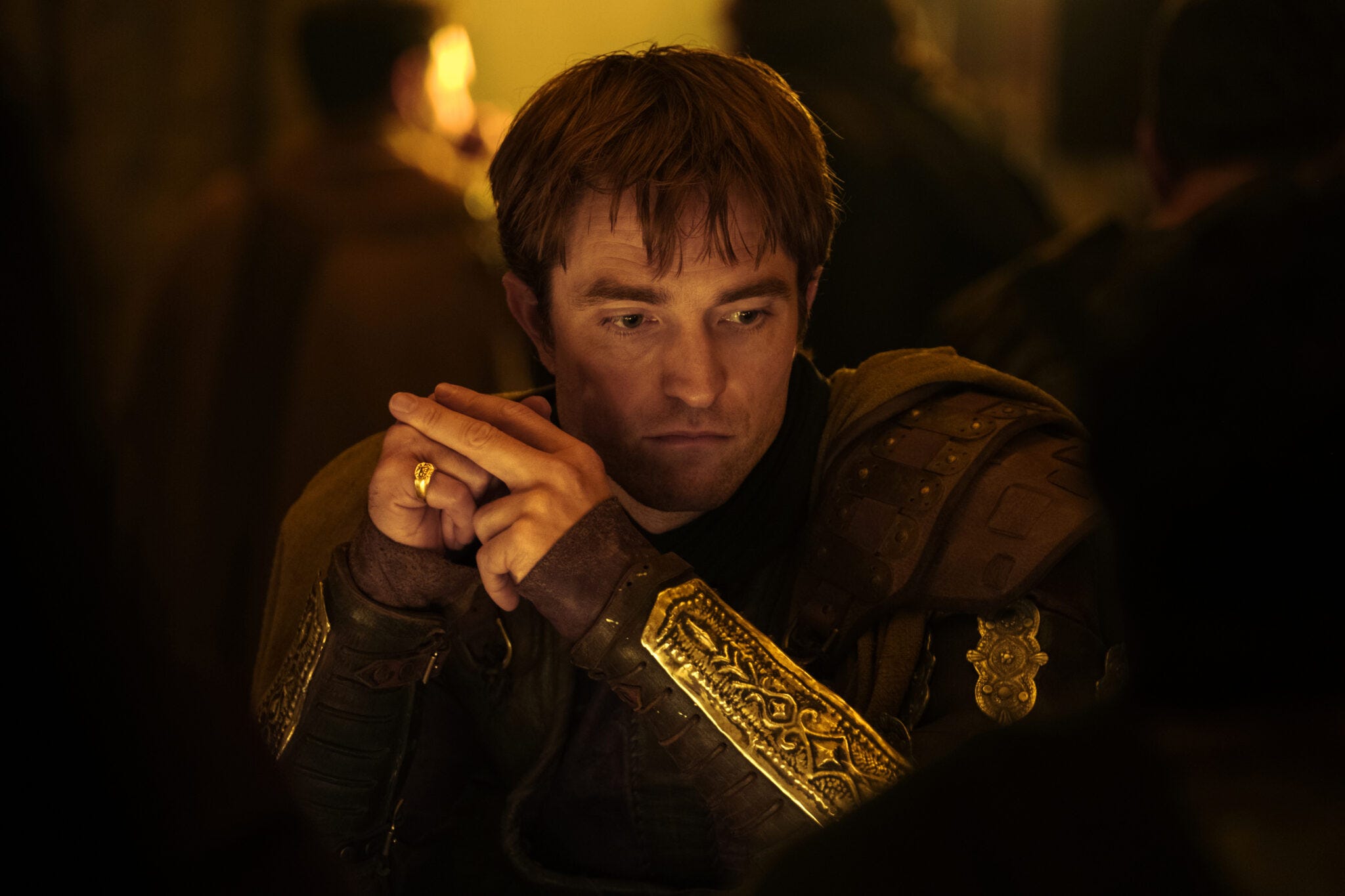
On the other hand, I know Nolan is capable of restraint when he chooses to be. Dunkirk (2017) moves in the opposite direction, telling the story of Britain’s desperate evacuation from France during the Second World War with remarkably little dialogue.
By shifting between soldiers trapped on the beaches, senior officers burdened with the lives of thousands, fighter pilots in the skies above, and ordinary civilians crossing the English Channel, Dunkirk is a film of both great tension and precision. Even within his own filmography, it remains something of an outlier.
But The Odyssey is poetry.
It lives and breathes through rhythm, atmosphere, and the power of its myth — not through explaining every last detail. To be sure, the film uses many of the now familiar “Nolanisms”: a nonlinear story structure, lots of flashbacks, slightly awkward action sequences, and misplaced — yet mercifully rare — attempts at humor.
Still, Nolan pulled together all these pieces, and made something that not only resembles The Odyssey, but feels like Homer.
The Song of Nolan
So is The Odyssey my new Nolan-favorite? Not at all. It will take a lot more than that to dislodge Interstellar (2014) and Nolan’s journeys to Gotham City from those lofty heights.
Yet, The Odyssey is a great film, and an enormous cinema experience which I had the pleasure of watching in 70mm. It might very well be one among Nolan’s best, despite a few egregious Nolanisms that should have ended up on the cutting room floor.
Homer’s unfilmable epic has found its way to the cinema screens in massive IMAX-format, and the director has used all his skill and effort to make it possible, assembling not only a great cast but also some of the finest artists working in cinema today. Among them are, of course, cinematographer Hoyte van Hoytema and composer Ludwig Göransson, whose score draws extensively from instruments that actually existed in ancient Greece — from the haunting aulos and the lyre to bronze percussion and ceremonial gongs.
Yet even that wasn’t enough.
Nolan has long been one of cinema’s fiercest advocates for practical filmmaking, arguing that digital visual effects should never replace something that can be built, photographed, or performed for real. And when you are willing to devote seemingly limitless resources, craftsmanship, and sheer determination to solving a problem physically, the results speak for themselves.
Take the film’s massive Cyclops. Most directors would have created such a creature almost entirely through CGI, or at the very least combined a performer with green screen, digital compositing, or forced perspective, much as Peter Jackson famously did throughout The Lord of the Rings trilogy.
Not Nolan.
Instead, cast members found themselves acting opposite what they described as Nolan’s “60-foot-tall monster machine,” constructed on location inside Nestor’s Cave in Messenia, Greece.
And as someone who also spends much of his day behind a color grading panel, I would be remiss not to mention the film’s visual language and the extraordinary craftsmanship that made it possible.
Much of today’s film industry — including my own work — embraces digital acquisition and digital color grading before striving to recreate the texture of film in post-production. Nolan and his collaborators at the legendary American post-production house FotoKem largely bypass that workflow altogether, returning instead to the photochemical processes that defined cinema for more than a century.
The Odyssey was photographed on 70mm IMAX film before being conformed back to the original camera negative, where the finished edit is physically matched, cut, and spliced by hand. Large parts of the finishing process remain photochemical, relying on laboratory timing, physical color filtration, and traditional film processing rather than an entirely digital intermediate.
The result is an image with remarkable subtlety — natural color reproduction, organic highlight roll-off, and a richness of texture that remains extraordinarily difficult to replicate in the digital world. It is an almost forgotten craft that Nolan continues to champion, and one that FotoKem now stands virtually alone in preserving. Every frame demands a level of planning and precision during production that very few filmmakers would ever be willing — or able — to pursue.
Christopher Nolan has adapted Homer’s epic, one of the earliest Hero’s Journeys ever told — the foundational myth that has shaped countless stories throughout the Western world. The result is a film of breathtaking beauty and astonishing brutality.
The Odyssey feels almost too vast for the IMAX screen itself. Like the raging Charybdis, it is destined to whip up a storm across cinemas worldwide, one audiences will find impossible to escape.
One cannot help but suspect that Nolan considers even the world’s largest film format just a little too small for this particular story.
Had there been a camera capable of capturing the entire horizon…
…he probably would have ordered two.
This article was translated and adapted from my Norwegian original on my website Legendarium.no, where I gave The Odyssey a score of 6 out of 6.