
Review: 'Widow's Bay'
Like the lovechild of Fargo and Twin Peaks, raised in the worlds of Stephen King and Lovecraft

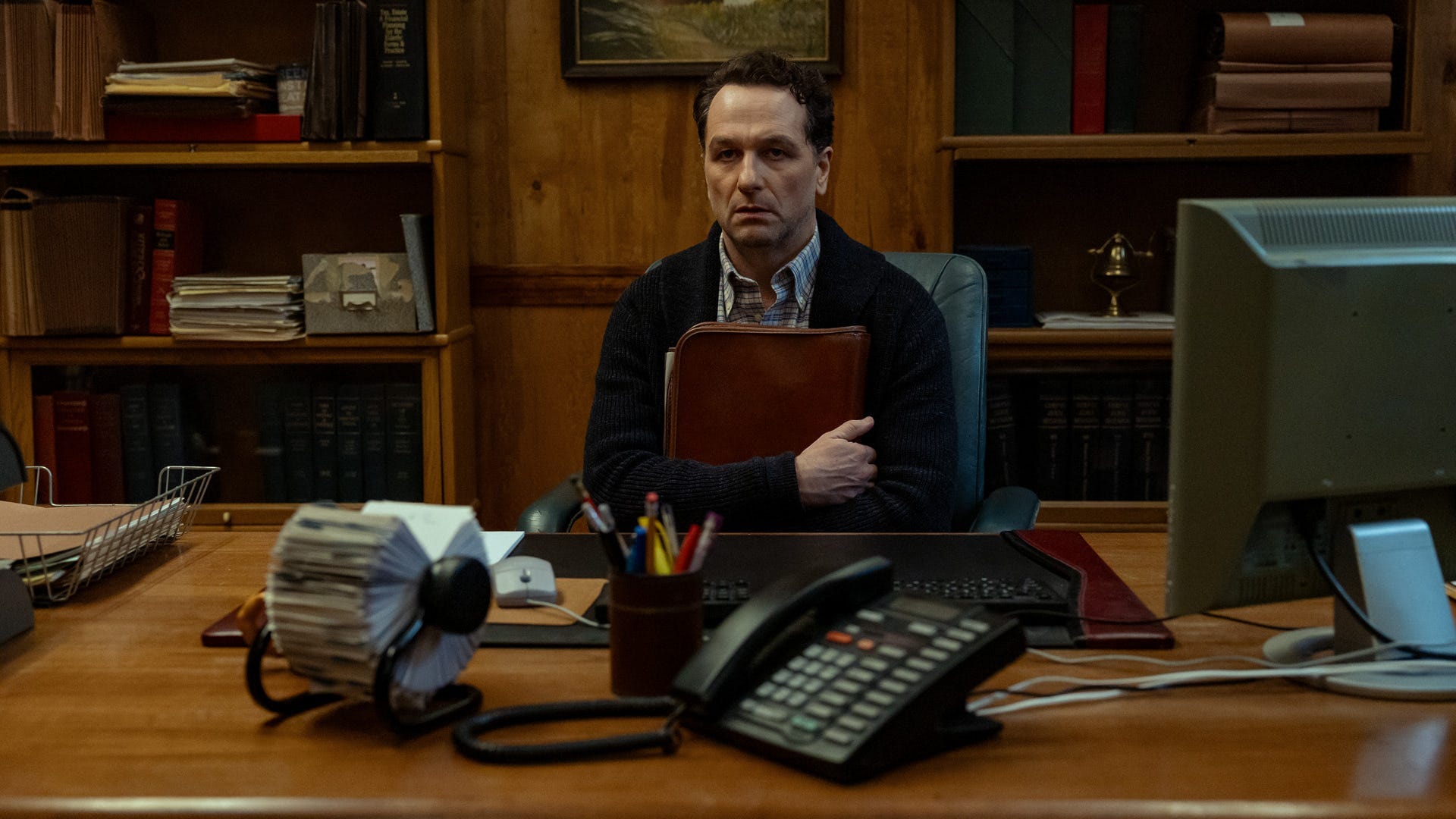
Have you ever heard of Widow’s Bay? This small island community with the ominous name lies some 40 miles off the coast of New England. The island’s only town, which shares its name, doesn’t see many visitors. Summers are mild, winters are windy and often nail-bitingly cold. Mobile reception is spotty at best, and the Wi-Fi signal is practically non-existent.
Oh, and it’s cursed. At least, that’s what the island’s many quirky and superstitious old-timers would have you believe. Surely it’s just that, right? Superstitions? Right?
Widow’s Bay is the setting for Apple TV+’s newest horror-comedy series. We meet Tom Loftis (Matthew Rhys), the cosmopolitan but neurotic mayor of the island’s only town, who, after winning an uncontested election, is desperate to breathe some life into his fading community. His goal sounds simple enough: turn Widow’s Bay into a thriving tourist destination.
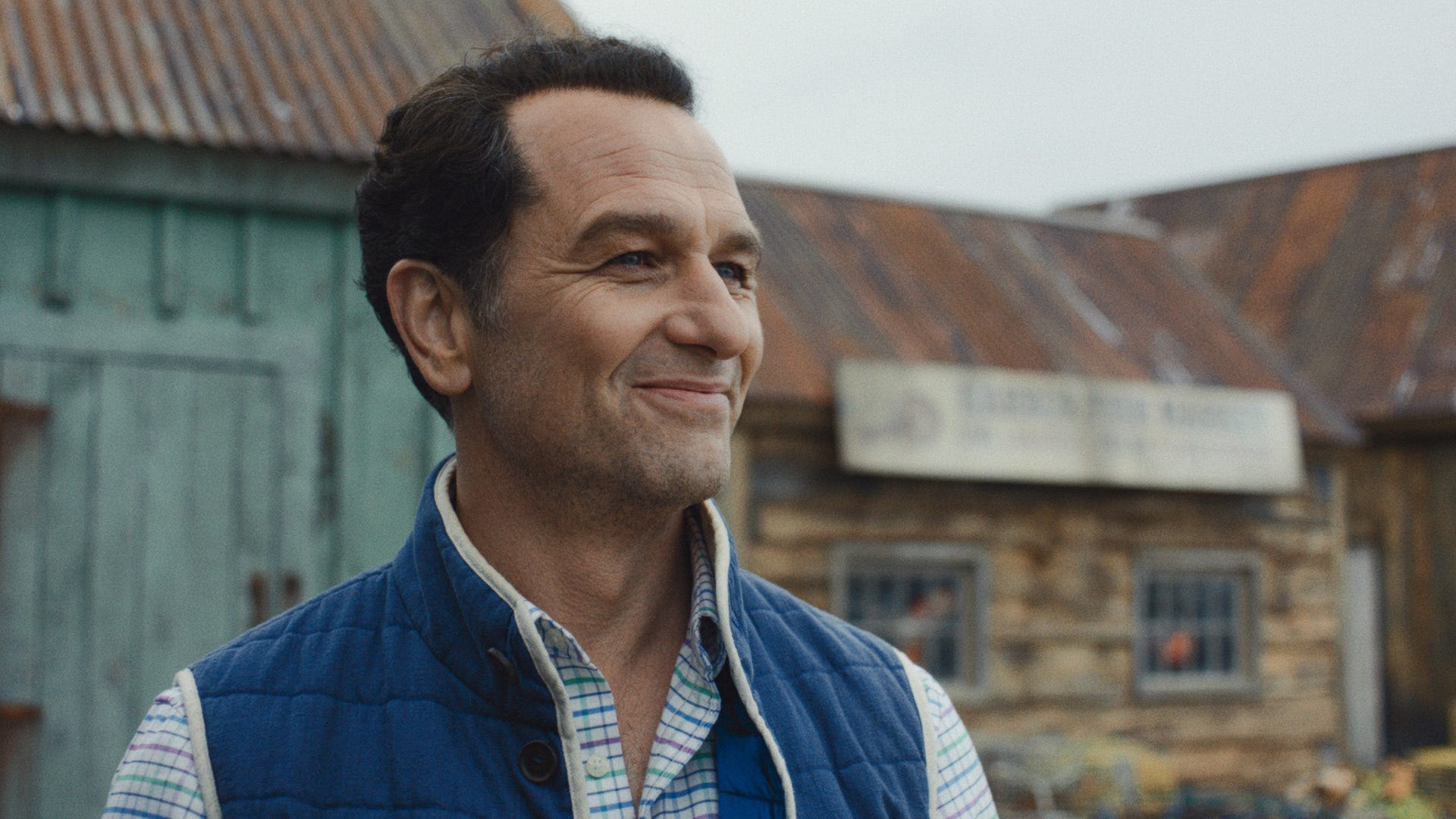
But when visitors finally start to arrive, their timing couldn’t be worse. It soon becomes clear that the town’s dark past — the very thing that inspired the locals’ superstitions — may not be superstition at all. Curses, ghosts, ghouls, witches, and worse might actually be real. Horror and hilarity ensue.
If that setup brings to mind the stories of Stephen King, you’re not too far off. It leans more into comedy and character quirkiness than King usually does, but the influence is obvious. Watching the 10-episode season, I kept coming back to the same description: the lovechild of Fargo and Twin Peaks, raised somewhere deep in the lands of Stephen King, with H.P. Lovecraft as creepy uncle living in the old house just down the road.
The series leans heavily into comedy, and while it often lands — especially in Loftis’ neurotic behavior and his clashes with the older, deeply superstitious locals, chief among them the town’s eccentric of eccentrics, the old salt Wyck (Stephen Root) — it occasionally comes at the expense of the horror, softening moments that might otherwise have hit harder.
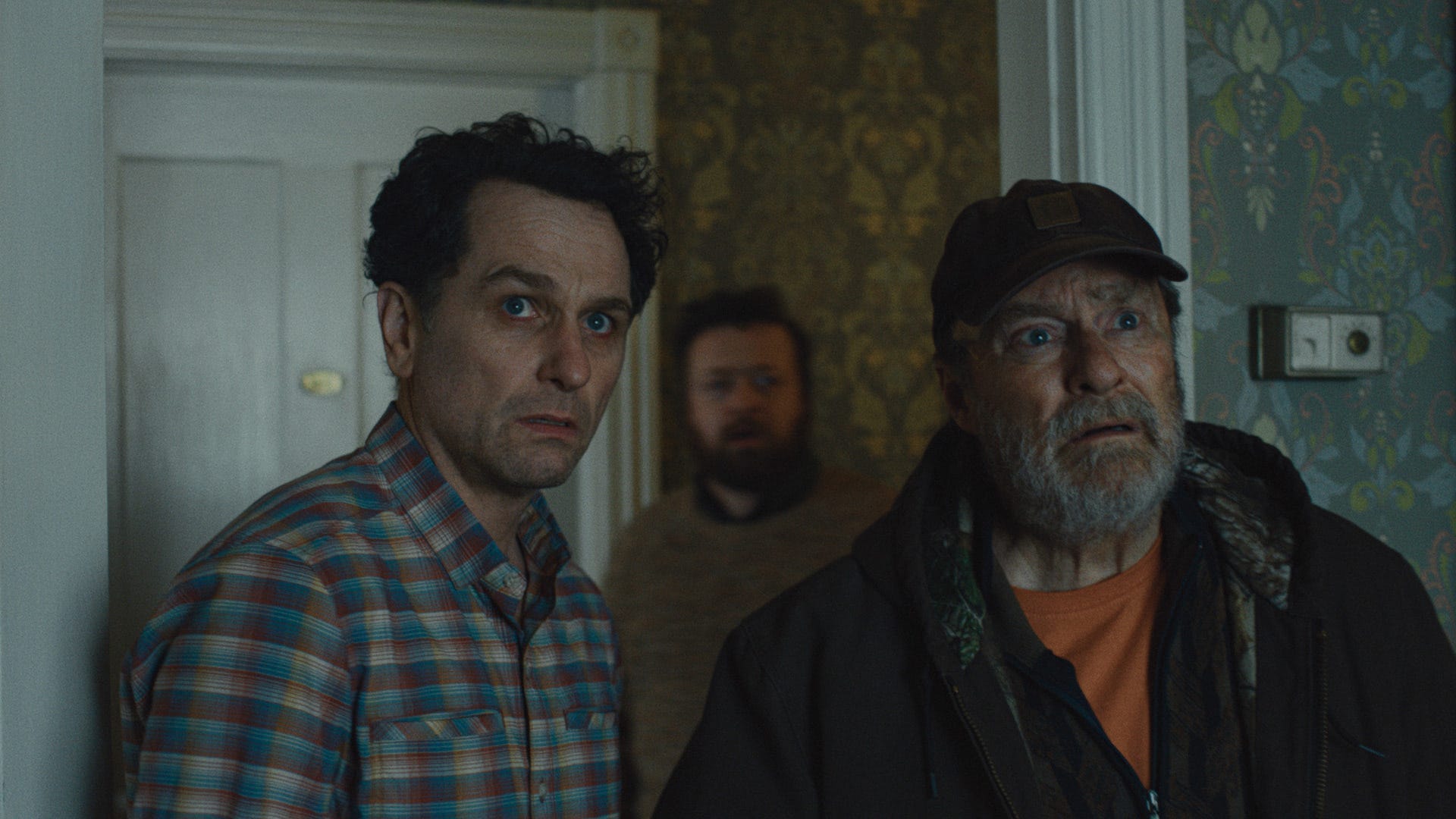
That said, showrunner Kate Dippold and director Hiro Murai, who helms most of the episodes, keep the horror alive. It may not reach the depth of Mike Flanagan or the unsettling strangeness of Ari Aster, but it doesn’t need to. The series leans on creeping unease and the sense that something is wrong, rather than jump scares or gore, and at times it genuinely unsettles.
As the New England fog rolls in over Widow’s Bay, strange events begin to unfold. People disappear, only to return changed, and old legends resurface — quite literally in some cases. Warnings go unheeded. Strange figures appear in the dark. A church bell tolls in the distance, one that hasn’t rung since the disaster, and the local old-timers, seemingly fused to their bar stools, nursing bitter pints, begin to count each toll. Widow’s Bay is a place of secrets and curses.
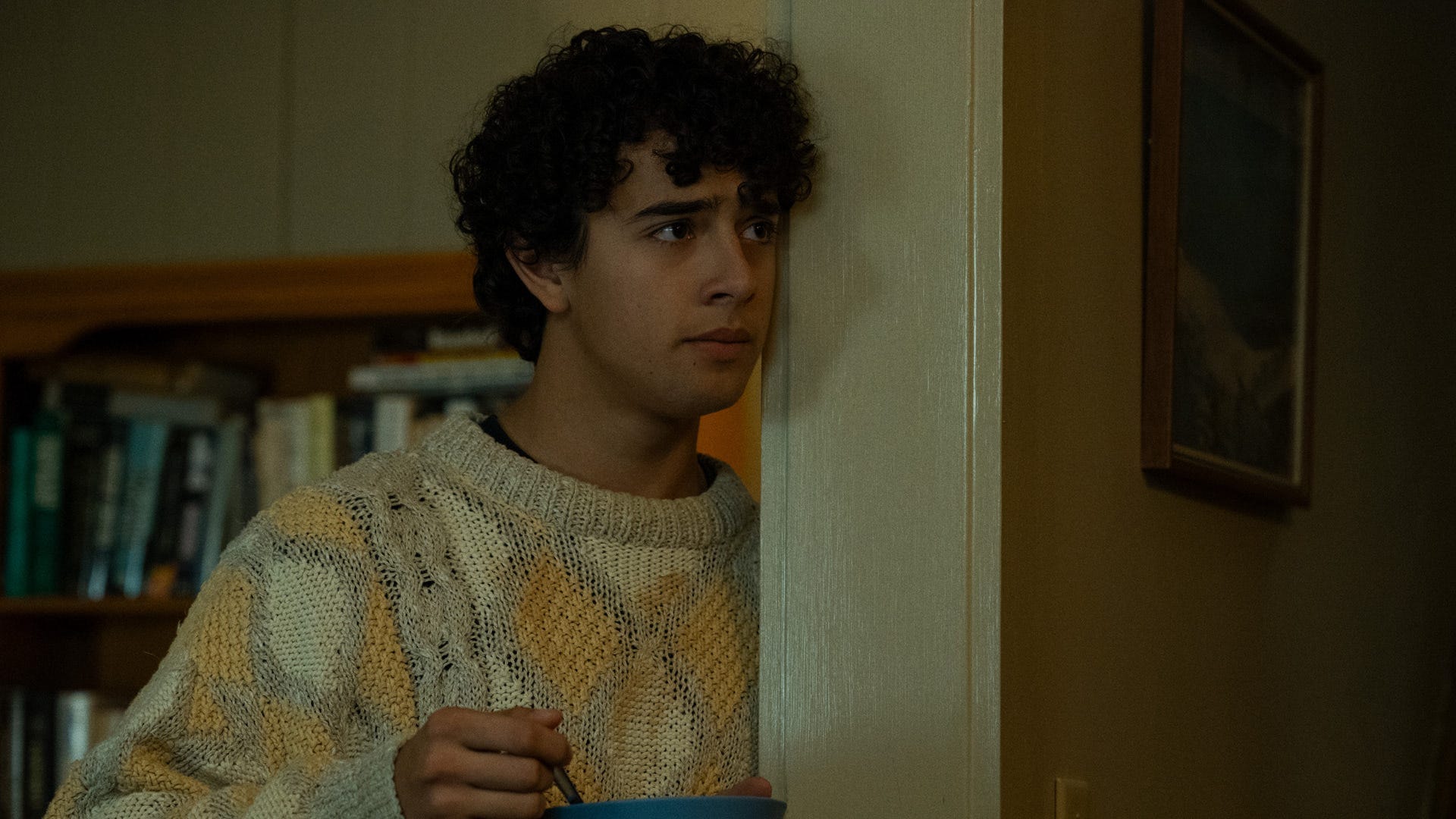
Mayor Loftis will have none of it. He is far more concerned with the surge of tourists he has worked so hard to attract. On top of that, he is a single father to his troubled teenage son Evan (Kingston Rumi Southwick), who has begun asking questions about his long-dead mother. With both curses and parenthood to contend with, it’s no wonder his sanity is starting to fray.
At the center of it all is the relationship between Loftis and Wyck, two complete opposites who begin as bitter rivals. As a skeptic elevated to the leadership of Widow’s Bay, Loftis doesn’t have the respect of the locals, earning, at best, side glances and whispers behind his back. Matthew Rhys captures this perfectly — part embattled father, part the mayor from Jaws, trying to keep a lid on things as the situation quietly spirals out of control.
Wyck, on the other hand, is the complete opposite. Strange and erratic even by the town’s standards, he would easily fall into the familiar role of the drunken eccentric in a story like this if it weren’t for Stephen Root’s performance and the depth written into the character, both of which push him beyond the stereotype.
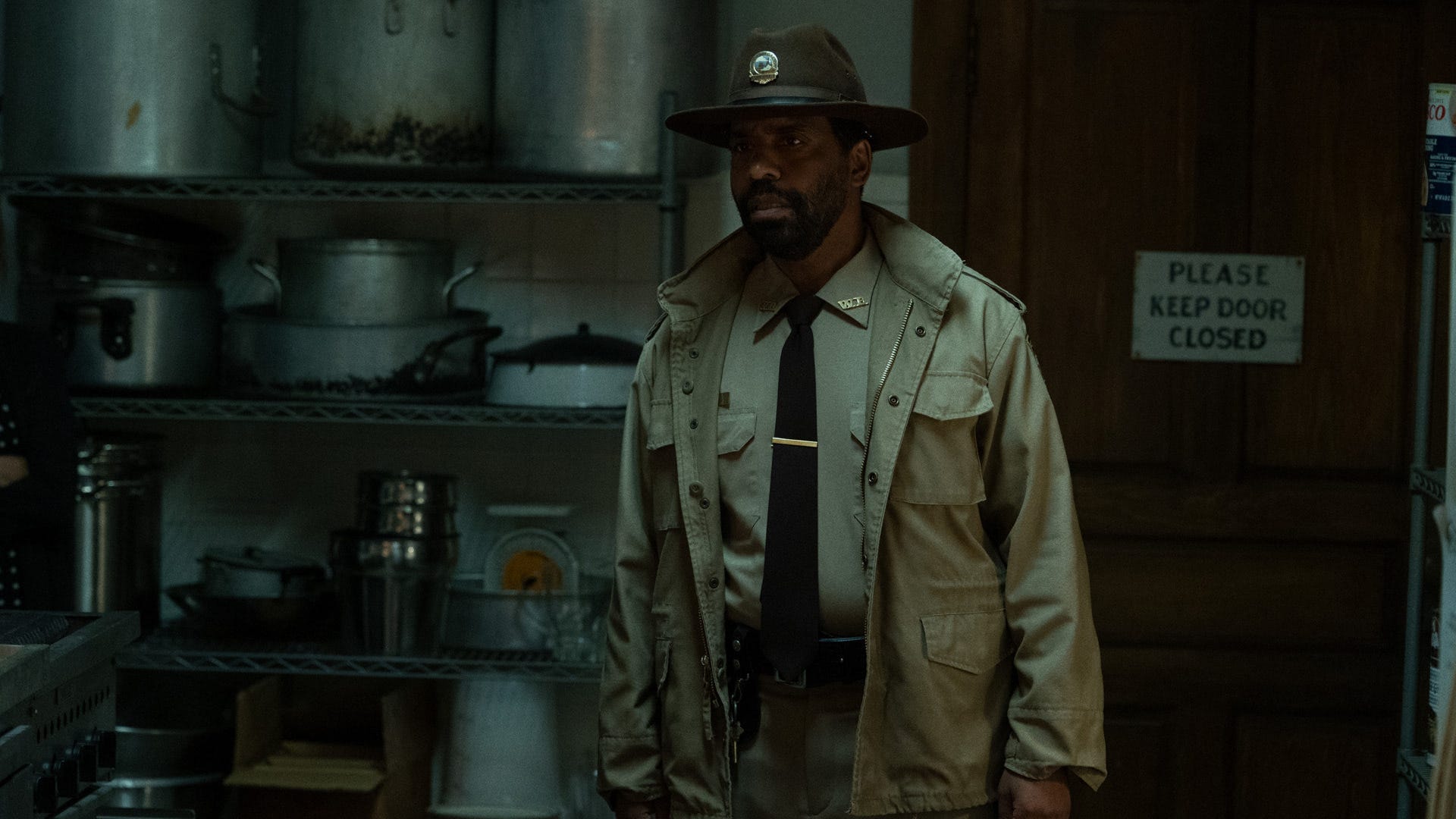
Faced with the same problem, these two are forced to bring their wildly different perspectives to bear, finding a way to cooperate, however grudgingly. Watching these two actors, so different in style and energy, play off each other is one of the show’s real pleasures.
That’s not to say every character we meet is equally well-developed. With the series leaning heavily on quirky side characters for humor, some — while funny, even hilarious at times — remain closer to sketches than fully formed people, often built around deadpan delivery and socioeconomic misunderstandings. There are exceptions, such as the socially awkward Patricia (Kate O’Flynn) and the island’s only police officer, the embattled Sheriff Bechir (Kevin Carroll), both of whom are given more to work with.
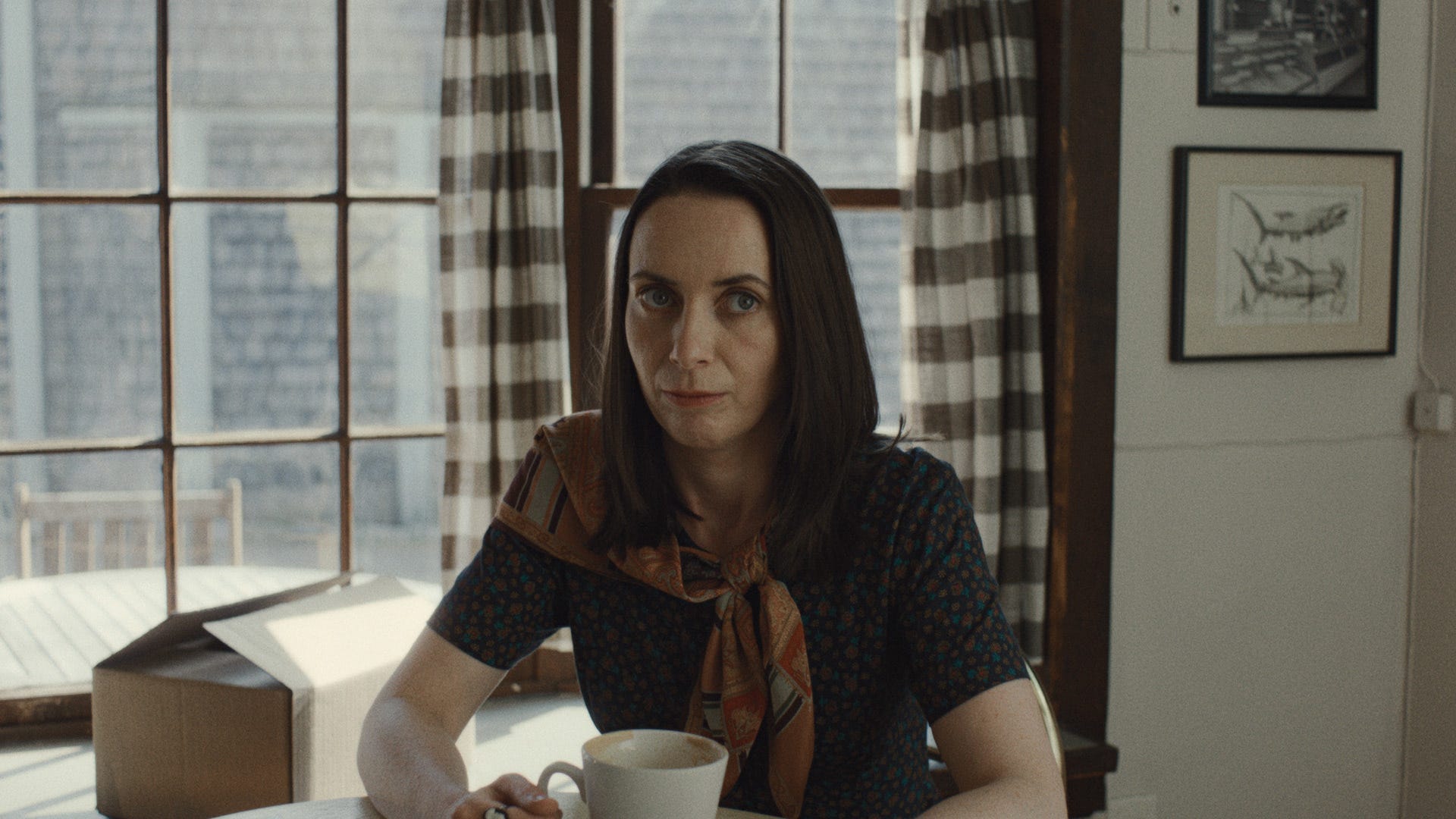
Widow’s Bay has a very distinct visual style, clearly inspired by horror and mystery films from the late ’80s and early ’90s. I’m not entirely sure what techniques are at play, but I would have loved to hear the creators talk about it. It brought me straight back to the films and TV series I used to watch obsessively on VHS. Muted, almost drab colors sit beneath layers of deliberate visual noise, giving the image a worn, tactile quality.
This becomes even more pronounced in the series’ many flashbacks, where the aspect ratio shifts to evoke a visual language that now feels almost ancient compared to today’s fast, dopamine-driven feeds. The series isn’t exactly slow-burning, but it is character-driven and knows when to take its time, even if there’s no shortage of running and screaming along the way.
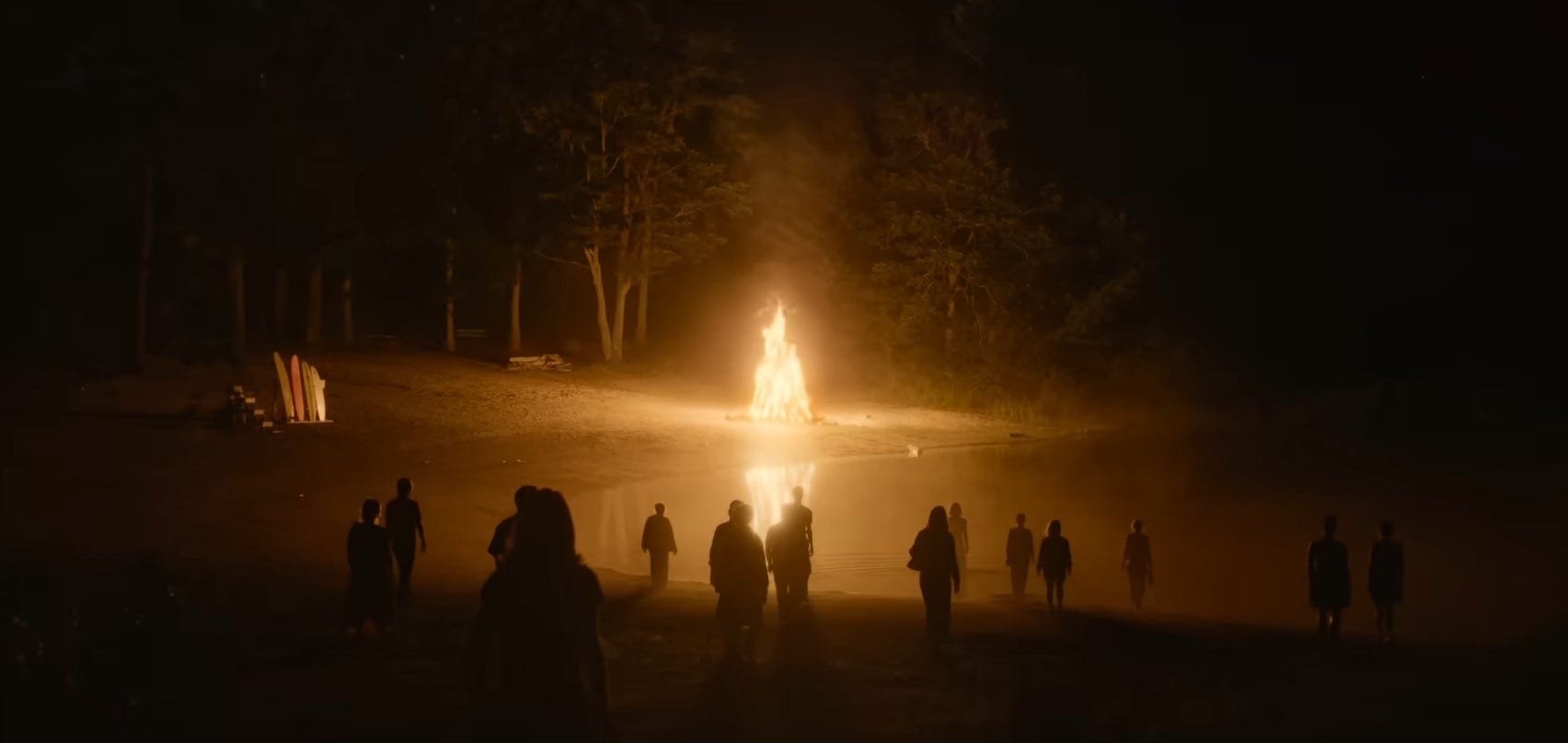
Widow’s Bay is a quirky, moderately scary, and often very funny series. It won’t satisfy horror fans looking for relentless scares and gore, and it doesn’t aim to be a full-on comedy either. It works best in the space between, as it slowly unravels its central mystery. The horror stays understated, the humor dry and character-based, and the mix proves surprisingly effective.
Widow’s Bay premieres on Apple TV+ on April 29.