
Reins of the Dragon
Showrunner Ryan Condal on House of the Dragon Season 3

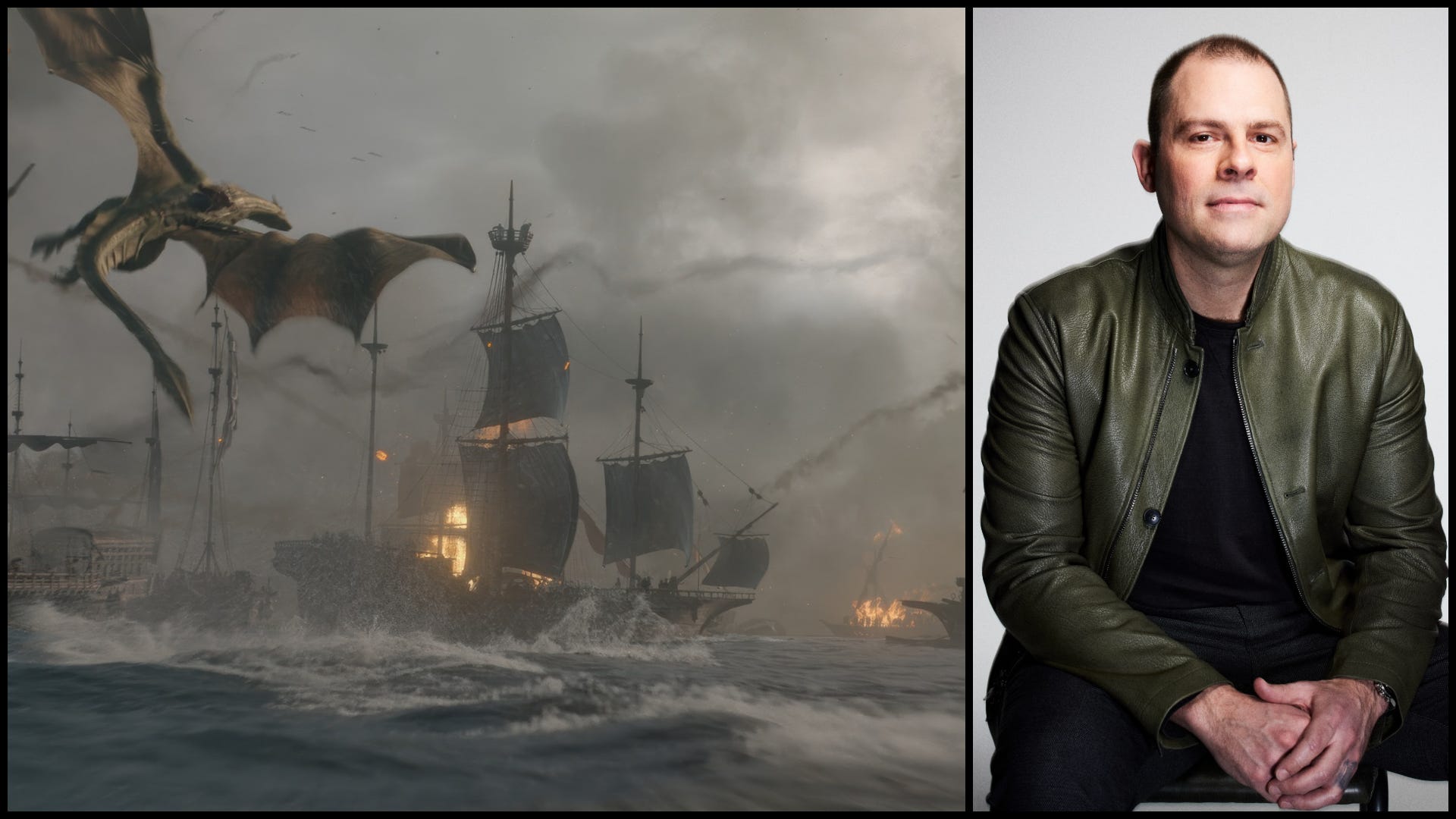
How do you steer one of the world’s biggest television machines without losing the soul of the story? Ryan Condal opens up about the meticulous craft behind House of the Dragon and the inevitable darkness looming over Season 3.
A wise man once said that power tends to corrupt, and absolute power corrupts absolutely. These words, penned by British historian and politician Lord Acton in 1887, have long stood as a universal truth about how authority erodes human morality and empathy.
It is a theme that never loses its relevance—something Ryan Condal is acutely aware of. As showrunner and co-creator of House of the Dragon, HBO’s massive adaptation of George R.R. Martin’s Fire & Blood, he has spent the last few years documenting this moral decay in Westeros.
Ahead of the premiere of House of the Dragon Season 3 on HBO, Condal took a brief break from the relentless work of finalizing Westeros to talk with us about what drives the series forward. The conversation underscores why this particular tale of the Targaryen dynasty has evolved into something far more ambitious and emotionally complex than anything we have previously seen from George R.R. Martin’s world on screen.
The Story Continues
To an outsider, it is easy to forget that the work on a production as massive as House of the Dragon does not halt when the cameras stop rolling. For a showrunner, filming is only half the battle. Speaking with Condal, it is immediately clear that while the worst of the production stress is behind him, he remains deeply immersed in the meticulous world of post-production.
“I’m definitely calmer now than I was probably at that launch party,” he admits.
“Right now, we’ve hit a massive milestone: we have locked picture on all the episodes. This means the actual edit and the storytelling are set in stone. But it also means we are in the most intense phase of post-production. We’re based in London, working around the clock on sound design, the score, and especially the visual effects. It’s a fascinating but exhausting process. We are reviewing thousands of VFX shots every single week to ensure everything looks flawless. It demands a completely different kind of focus than the writing process or the actual shoot.”
Coming Out Swinging
Most epic fantasy series have conditioned audiences to expect a certain pacing—a slow build, a mid-season explosion, and a massive, climactic spectacle in the final episodes. House of the Dragon Season 3, however, subverts these expectations completely.
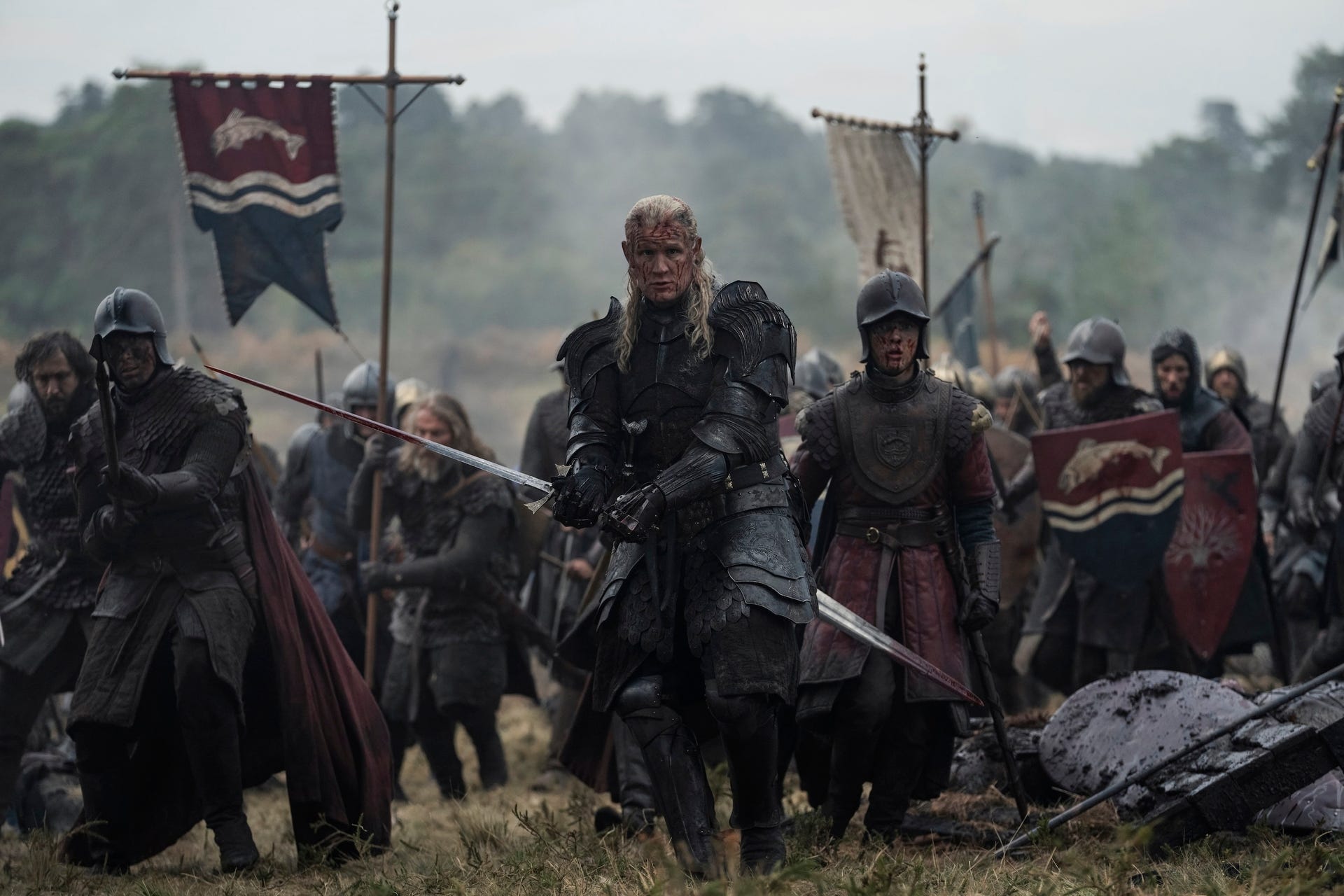
“The bell rings in the boxing ring, and we just swing a haymaker right out of the gate,” Condal says. “I think it’s going to catch people off guard in the best way possible because it hits so hard and so unexpectedly. But it also sets the definitive tone for the rest of the season.”
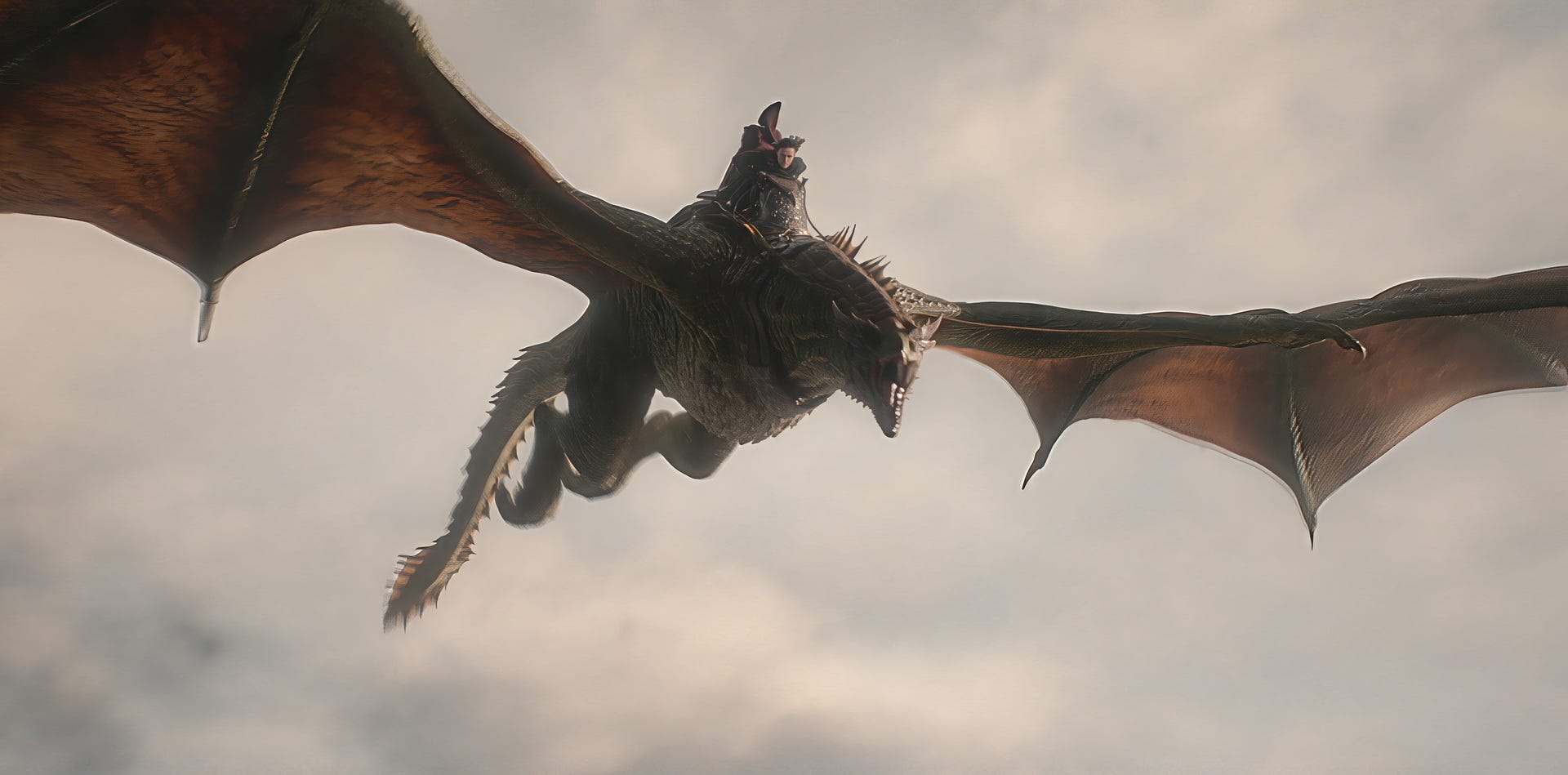
The Battle of the Gullet—the largest naval battle in the history of Westeros—opens Season 3. For the viewers who anxiously anticipated this clash at the end of Season 2, this is the ultimate payoff. Condal approaches the narrative with a cinematic mindset, and the Battle of the Gullet has always occupied a very specific place on his narrative map.
“I started out as a feature writer, so I always think in a four-act structure. The second act—that long middle section—is usually 60 pages or more in a script, and it can be incredibly difficult to wrangle. So, I always try to break it in half with a midpoint, which is what we call the ‘point of no return.’ In Star Wars, that’s when the Millennium Falcon gets pulled into the Death Star, and you wonder how on earth they’re going to get out. The Battle of the Gullet has always been that exact turning point in this story.”
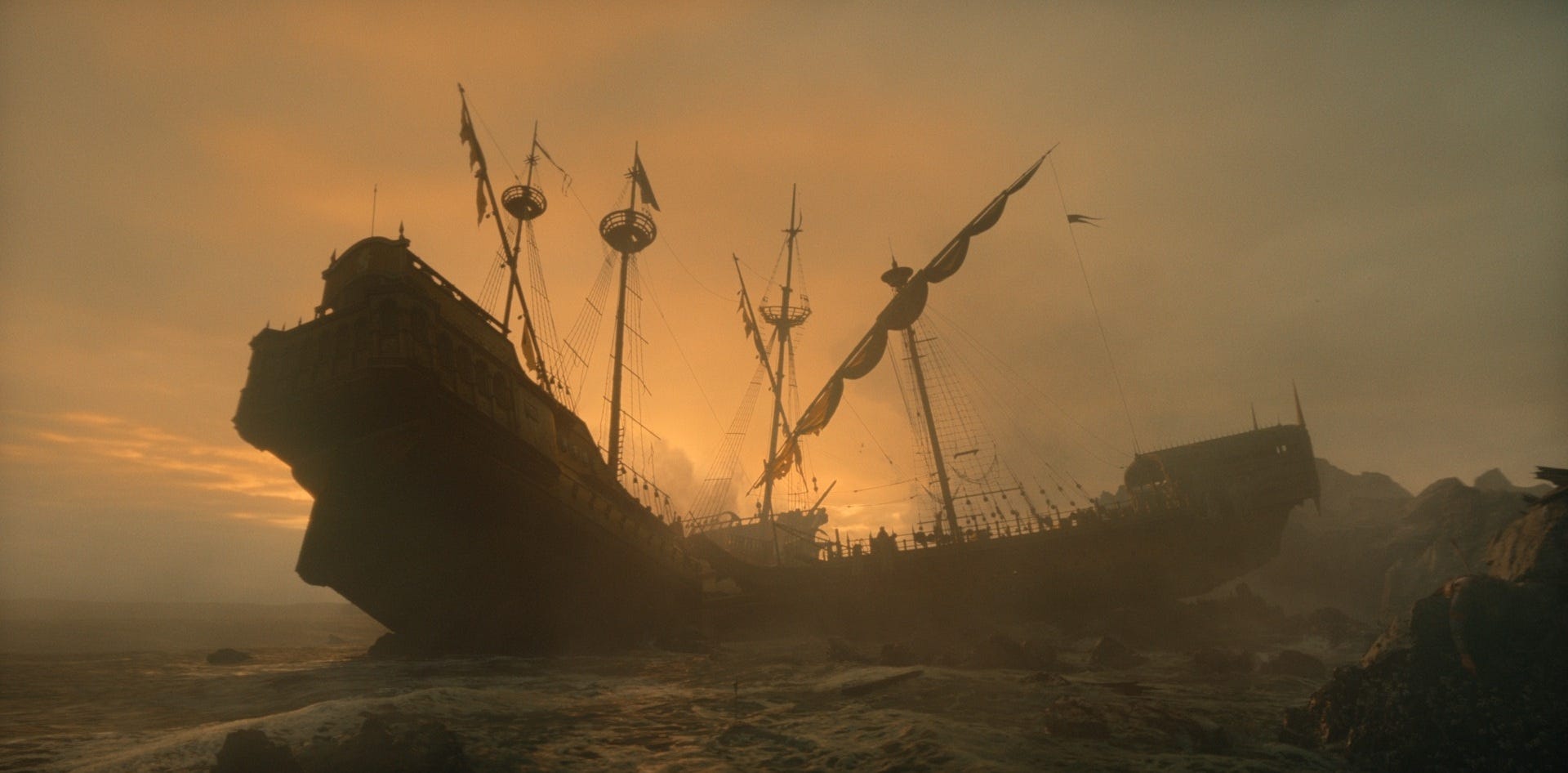
Realizing this sequence took four years of planning. Logistics, resources, technology—everything had to align perfectly. Yet, Condal is adamant that the wait was worth it.
“The first episode is the culmination of four years of planning, trial, and figuring things out. I’m glad we had that time because it’s the reason we were able to achieve what we did.”
From that point onward, he emphasizes, the safety nets are gone. “We’re jumping right into it now. I don’t think anyone or anything is safe from here on out.”
Rhaenyra: Believing Her Own Myth
House of the Dragon has always been a study of people undone by power. In Season 3, however, Rhaenyra Targaryen enters uncharted territory—a shift Condal notes is entirely intentional.
“We’re fascinated with playing with the ‘Chosen One’ trope in this universe,” he explains. “Luke Skywalker, Harry Potter, Frodo, Aragorn—these are deeply entrenched archetypes. But in this series, which deconstructs everything, what happens when you tell a character that the gods have chosen her to rule, and you back her up with six dragons? Well, at a certain point, she starts believing her own myth. She begins to believe that any action is justified because it is the will of the gods.”
Condal explicitly links this psychological shift to real-world power dynamics—monarchies, autocrats, and charismatic leaders who mask personal ambition as destiny or a higher calling.
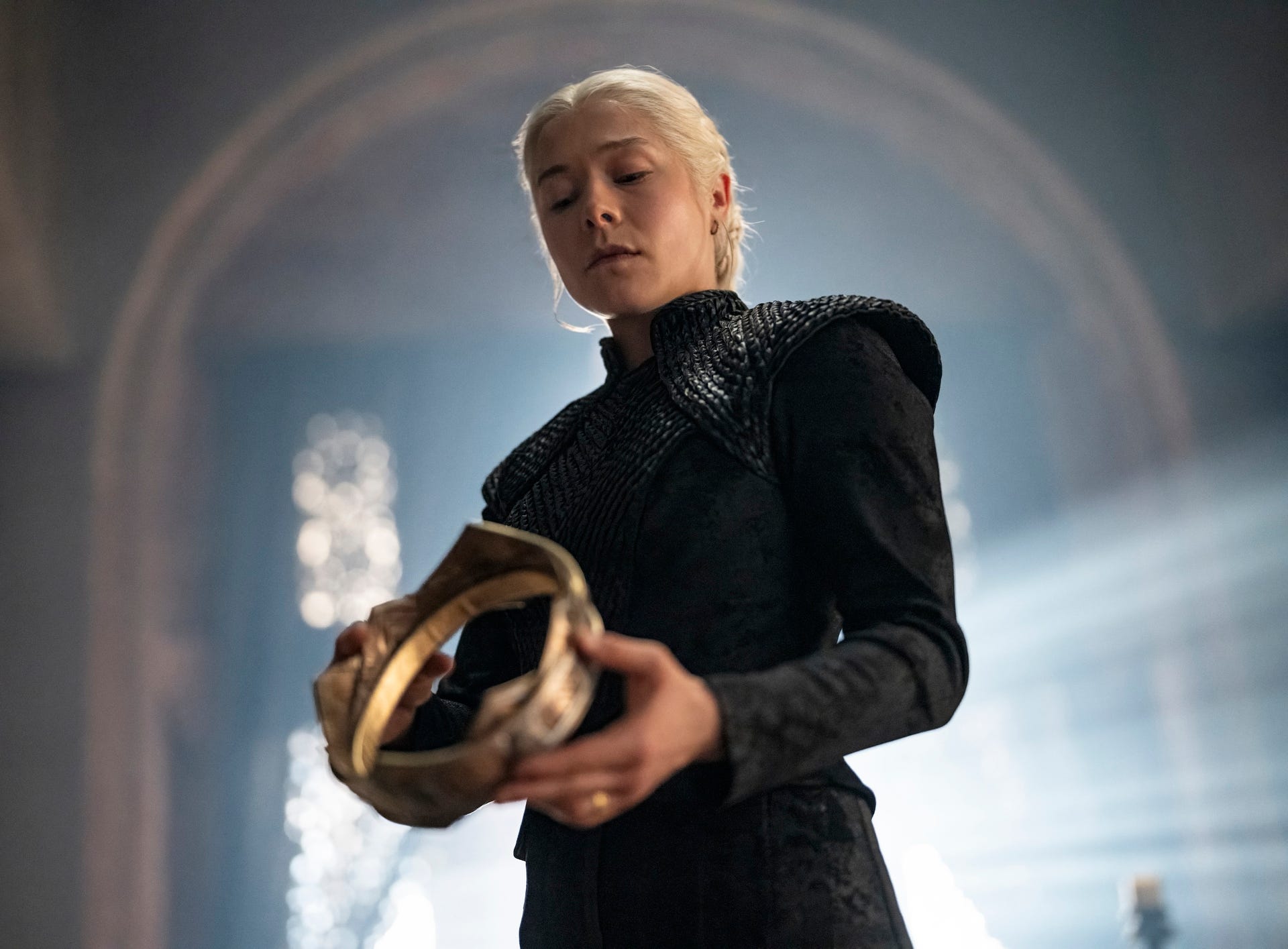
“I love how it mirrors modern politics and recent history, looking at the ways people rise to power in these monarchical and autocratic systems. I hope Rhaenyra’s arc is a complex and sympathetic portrayal of that reality—but also a cautionary tale. And a tragedy.”
It is a nuanced point that Condal trusts the audience to grasp. Rhaenyra has not suddenly become a conventional villain; she has become something far more unsettling: a person entirely convinced of her own righteousness while making choices that slowly erode her humanity.
“Who a character is in this one moment isn’t necessarily who they are forever,” he notes. “We don’t try to write one-dimensional television characters. We put people under immense pressure, subject them to extreme circumstances, and see what it does to them.”
Alicent: Finding Her Own Voice
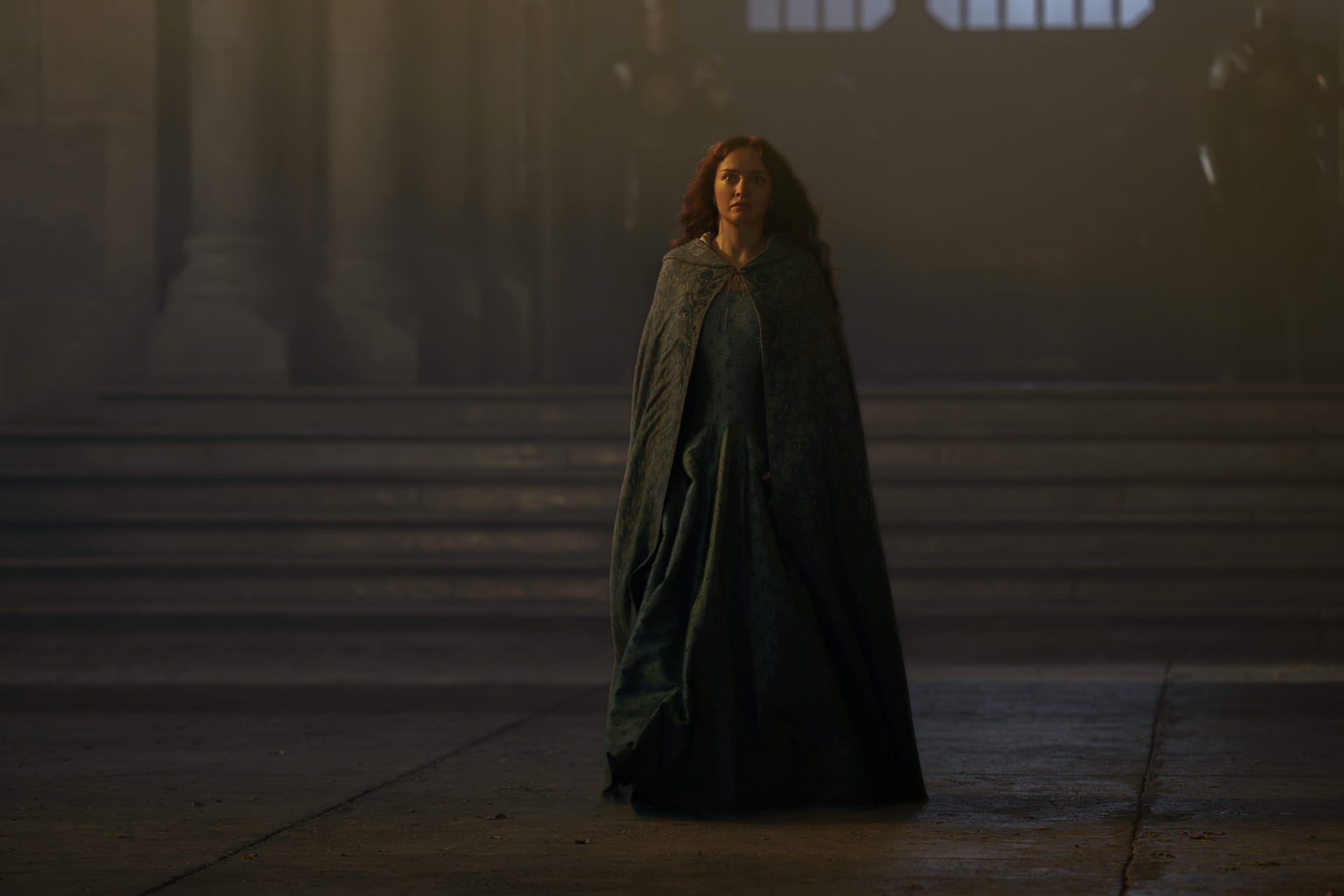
If Rhaenyra embodies the show’s cautionary tale, Alicent Hightower represents its tragedy. Condal describes her as a character who has spent her entire life acting as an instrument for others, and who now, possessing adult agency, profoundly struggles to define who she actually is.
“Alicent was essentially raised in a cult of political ambition,” Condal observes. “Her father placed her in the king’s bed solely to position his own bloodline closer to the throne. It is incredibly difficult to deprogram what was hardwired into you from such a young age.”
In Season 3, Alicent finds herself facing an impossible dilemma. Her sons—Aegon and Aemond—have proven to be disastrous leaders; one fragile and weak, the other a mass murderer. She desperately wants to protect her family from ruin, yet she cannot bear to watch the realm burn.
“She’s stuck on the question of who she wants to be remembered as,” Condal says. “A ruthless striver, like her father, who sacrifices everyone to climb closer to power? Or someone who might not be remembered fondly by House Hightower, but who actually tries to do the right thing for the realm—surrounded by all these other figures who have made their own moral compromises?”
Then there is Helaena. Condal emphasizes that the relationship between Alicent and her daughter serves as one of Season 3’s most vital emotional engines. Alicent carries deep guilt, feeling she failed her daughter by allowing King Viserys to marry her off to Aegon—a choice she knew was wrong but permitted anyway.
“She feels a profound sense of obligation toward Helaena this season, and that puts her in deep conflict with where she ultimately wants to land.”
Dragons and Gods
The friction between Rhaenyra and Alicent is not merely political; it is fundamentally theological. Condal sheds light on this underlying dynamic.
“The Targaryens accept the Faith of the Seven because they recognize they need to keep the smallfolk happy,” he explains. “It’s bread and circuses. They tolerate their gods, even though they view themselves—and their dragons—as the true deities. They see themselves as closer to gods than men.”
On the other side stands Alicent, hailing from Oldtown—which Condal describes as the closest equivalent to the Vatican in Westeros. House Hightower and the Faith of the Seven are woven together on a deep, institutional level. For her, allegiance to the religion is both deeply personal and structural.
It is a dynamic that feels remarkably contemporary. The notion that a ruler is ordained by a higher power, that the enemy represents the godless, and that one’s own actions are therefore automatically sanctified, is a pattern that resonates far beyond the borders of Westeros.
“The friction between the Targaryens’ pursuit of divinity and power, and the Faith of the Seven, will continue to be a central pillar of the series,” Condal notes. “It’s only going to escalate as we head toward the end.”
Off the Map
Adapting Fire & Blood—George R.R. Martin’s historical chronicle of the Targaryen dynasty—presents a unique and formidable challenge. Those who have read the book know exactly what happens. However, discovering why it happens is where the real work begins.
“You have the chapter headings—the dots you need to connect,” Condal says. “But you are rarely inside the heads of these characters. Were they happy? Were they sad? The historians in the book are fundamentally unreliable and constantly contradict one another. At a certain point, you just have to accept that ambiguity and lean into it.”
It is precisely this ambiguity that grants the series its creative freedom. Where historical text ends, true drama begins. Condal and his writing team beautifully fill the voids—the internal motivations, the lingering doubts, and the private moments that were never recorded. It is within these hidden spaces that House of the Dragon truly finds its voice.
The third season of House of the Dragon airs now on HBO. You can read my review of the season here.
This article was based on a moderated Zoom conversation with Ryan Condal. A Norwegian version of this article was first published on my website, Legendarium.no.
Did Condal at all discuss how that Battle was meant to happen in S2 and was pushed to S3 due to budget reasons, with S2 becoming 8 episodes when it was supposed to be 10? I'm particularly interested in how that impacted what ended up on screen.